ORDER
Anadee Nath Misshra, Accountant Member. – This appeal has been filed by Revenue against the impugned appellate order dated 19.04.2025 of learned Commissioner of Income Tax(Appeals) -3, Lucknow [for short ‘learned CIT(A)’], for the AY 2017-18. Revenue has raised the following grounds of appeal:
“1. Whether on facts and circumstances of the case and in law, the CIT(A) has erred in deleting the addition of Rs. 5,57,00,000/- being cash deposited in SBNs during demonetization period in its different bank accounts ignoring the fact that SBNs of Rs. 1000 and Rs. 500 were no longer legal tender w.e.f 09.11.2016 onwards.
2. Whether on facts and circumstances of the case and in law, the CIT(A) has erred by ignoring the fact that the assessee; to justify its cash in hand position just before the demonetization; has declared huge cash sales of Rs. 9,65,04,457/- for the month of October 2016 and Rs. 5,00,27,734/- for the period from 01.11.2016 to 08.11.2016 whereas the average sales for the period from 01.04.2016 to 30.09.2016 stood at Rs. 3,84,13,170/-.
3. Whether on facts and circumstances of the case and in law, the CIT(A) erred in ignoring the fact that during the month of October 2016 and first 8 days of November 2016, the assessee has reported cash sales of Rs. 14,65,32,191/ and for the corresponding period of immediately preceding previous year cash sales reported by the assessee stood at Rs. 8,23,14,517/-.”
(B) In this case, assessment order dated 25.12.2019 was passed under section 143(3) of the Income Tax Act, 1961 (the Act) whereby the returned income of the assessee, Rs. 4,53,63,000/- was accepted by the Assessing Officer. Later, a search and seizure operation was carried out by the Income Tax Department in the Harsahaimal Shaimlal Jewellers Pvt. Ltd. group of cases on 21.12.2020 in which the assessee was also covered by search and seizure proceedings under section 132 of the Act. Subsequently, order dated 17.02.2022 was passed under section 263 of the Act by the learned Pr.CIT whereby the aforesaid assessment order dated 25.12.2019 was set-aside and the Assessing Officer was directed to pass assessment order afresh. Before the learned Pr.CIT and the learned Pr.CIT passed the aforesaid order under section 263 of the Act, the Assessing Officer had already issued notice dated 01.11.2021 under section 153A of the Act requiring the assessee to furnish return within 15 days. In response, the assessee filed return of income declaring once again, the income of Rs. 4,53,63,000/- as per earlier return leading to aforesaid assessment order dated 25.12.2019. Thereafter, the Assessing Officer passed fresh assessment order dated 30.05.2022 under section 153A of the Act, in pursuance to aforesaid notice under section 153A of the Act. This subsequent assessment order determined the assessee’s income at Rs. 10,10,63,000/- as against the earlier assessed income of Rs. 4,53,63,000/-. In the aforesaid assessment order dated 30.05.2022 an addition of Rs. 5,57,00,000/- was made under section 68 of the Act. The Assessing Officer treated cash deposits of aforesaid amount of Rs. 5,57,00,000/- in the Bank, during demonization period, as the assessee’s income. The relevant part of the assessment order is reproduced as under:
“B. On analysis of the detailed reply of the assessee, the following key facts have been emerged :-
i. It is worthwhile to mention here that during the FY 2015-16 (AY 2016-17) festival of Diwali was held on 11th November and during the FY 2016-17 (AY 2017-18), it was held on 30th October.
ii. From the above table as provided by the assessee, it is apparent that the cash sales of the assessee in preceding as well as in cent year till September were following the same trajectory for that particular year Similarly, the cash in hand for both years can be seen to be in varying in same range till September.
iii. However, in FY 2016-17, there is abrupt and exponential increase in cash sales in the month of October 2016 and in first 8 days of November 2016
iv. It is further noted that in FY 2016-17, the sales of the assessee company has decreased from comparable month of preceding year except in the period 01.10.2016 to 08.11.2016.
v. From the perusal of the bank account statements of the assessee company, it is found that the assessee has deposited the cash in first week of November also which in turn revealed that the assessee had visited the bank for deposit of cash receipts before announcement of demonetization.
vi. Hence, it is hard to accept that a person who has cash balance of more than Rs. 5 crore as on 7th November, will keep the cash in hand ……. mode. It is against canons of human probability and incomprehensible that assessee opted to keep such high cash in hand in idle mode.
vii. It is evident here that despite having OD bank account as well as load account, the assessee company has kept the large cash as cash in hand.
viii. One more circumstantial evidence to note here that when the demonetization was announced on 08.11.2016, the assessee had option to deposit cash balance in old notes as on 09.11.2016 to 10.11.2016 but the assessee company has chose to deposit the cash on various dates even on 18.11.2016 and 29.12.2016. The assessee company failed to offer any valid reason for keeping demonetized currency for so long even in compliance to show cause notice dated 17.03.2022.
ix. Further, from the chart as produced by the assessee company, it is clearly established that there is unusual increase in the cash sales during the month of October 2016 and November 2016 as compared to previous assessment year. It appears that to accommodate cash deposited during the demonetization period, the assessee company has created fictitious books of accounts and the same was deposited in bank account in the garb of bogus cash sales or cash in hand which has been skillfully portrayed in the books of accounts, Moreover, the entire edifice or arrangement through which the assessee claimed to have made cash deposits during demonetization period as inflated cash balance in cash book appeared to fail the tests of both genuineness and human probabilities.
Reliance is made on the judgement of the case of Sumali Dayal v. CIT (214 ITR 801) wherein the Apex court propounded the principle of human probabilities and applying it in that case held that whether apparent is real is to be decided on the basis of incriminating circumstances. Further, reliance is placed on the decision of Apex court in the case of Durga Prasad More v. CIT (82 ITR 540) wherein the principle of human probabilities was relied upon by the court in deciding the case in favour of revenue. Reliance is also made on the ratio of judgement in the case of Somnath Mani v. ITO (100 TTJ 917) wherein the Chandigarh Bench of ITAT held that if facts and circumstances so warrant that it does not accord with the test of human probabilities, transactions have to be held to be non-genuine.
x. In view of the above facts and findings, it is crystal clear that the assessee has inflated its sales so as to account for the cash deposits in Specified Bank Notes in its bank accounts by introducing its own unaccounted Income in the regular books of account.
C. Hence, in view of the above observation, the cash deposits of Rs. 5,57,00,000/- is hereby treated as unexplained cash credits of the assessee company as per the provisions of section 68 of the IT Act and added to the total income of the assessee and liable to be taxed as per the provisions of section 115BBE of the IT Act.
Addition of Rs. 5,57,00,000/-
Penalty Initiation:-
Since, the income of assessee has boon determined in accordance with the provisions of section 68 of the IT Act as the assessee has failed to explain the receipts/income made during the year under consideration; therefore, penalty proceedings u/s 271AAC of the IT Act is being initiated separately.
|
5.
|
After examination of details and factual material available on record, the income of the assessee is being assessed and computed as under:-
|
|
Income assessed vide order u/s 143(3): dated 25.12.2019
|
|
Rs. 4,53,63,000/-
|
|
Addition: Addition u/s 68 as per Para 4C: above.
|
|
Rs. 5,57,00,000/-
|
|
Assessed Income
|
|
Rs. 10,10,63,000/-
|
|
7.
|
Assessed at income of ₹10,10,63,000/- u/s 143(3) r.w.s. 153A of the Act. Tax calculated and credit for prepaid taxes allowed. Credit for TDS is to be allowed only to the extent of claim in ITR filed by the assessee. Interest to be charged u/s 234A, 234B, 234C and 234D if applicable. Issued Challan and demand notice and necessary forms.
■ Also issued penalty notice u/s 271AAC of the IT Act separately.
■ Addition of Rs. 5,57,00,000/- made u/s 68 of the IT Act has to be taxed as per the provisions of section 115BBE of the IT Act.
This order is being passed after taking prior approval of the Addl. CIT, Central Range, Lucknow u/s 153D of the IT Act, 1961 dated 30.05.2022.
|
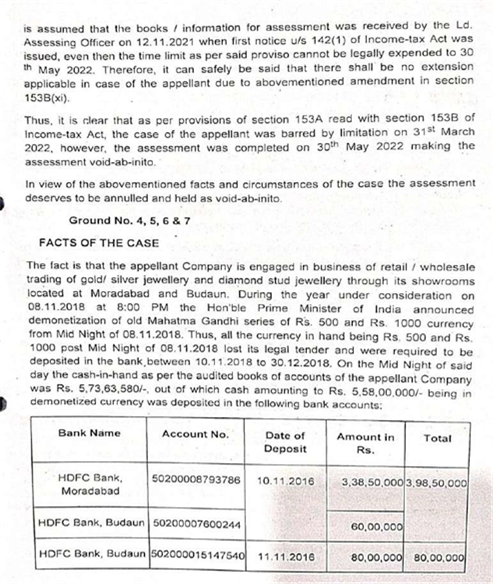
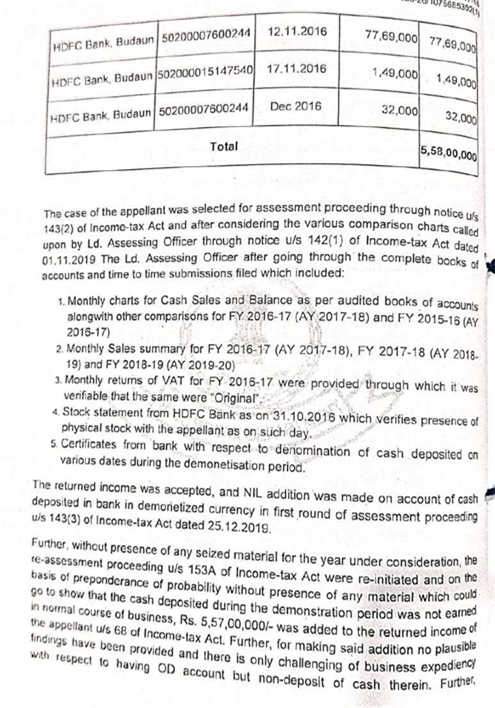
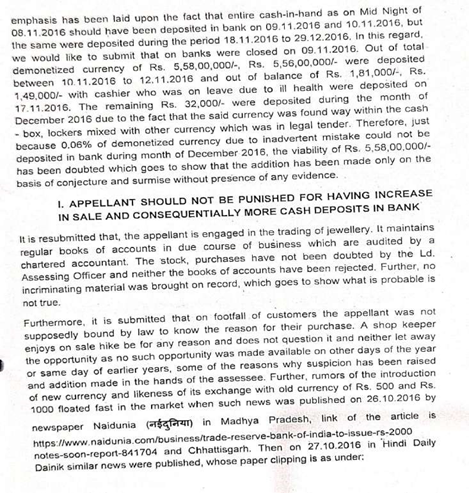
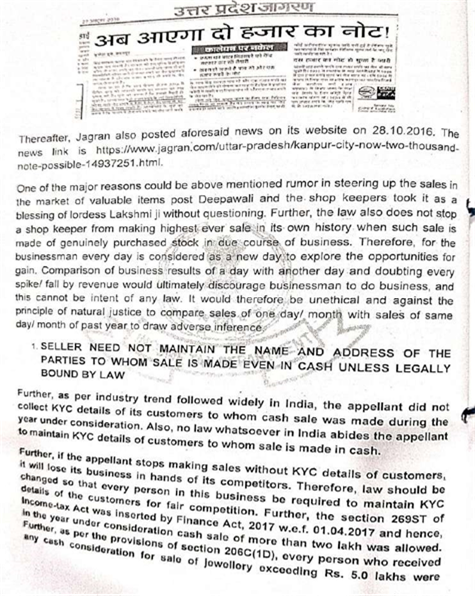
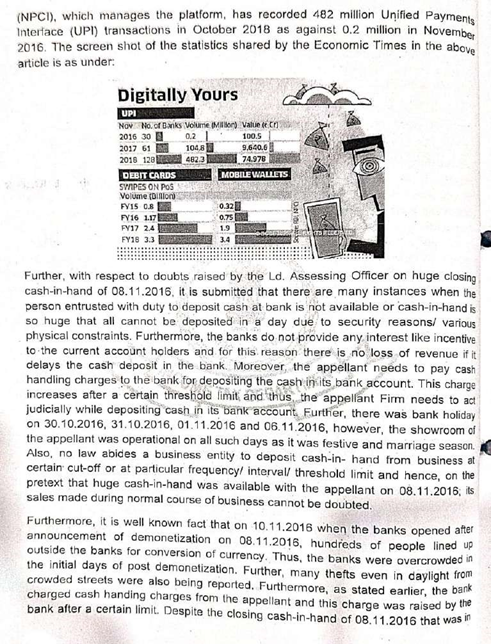
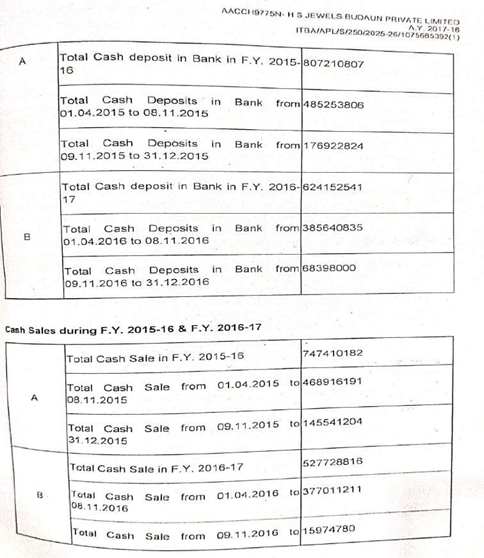
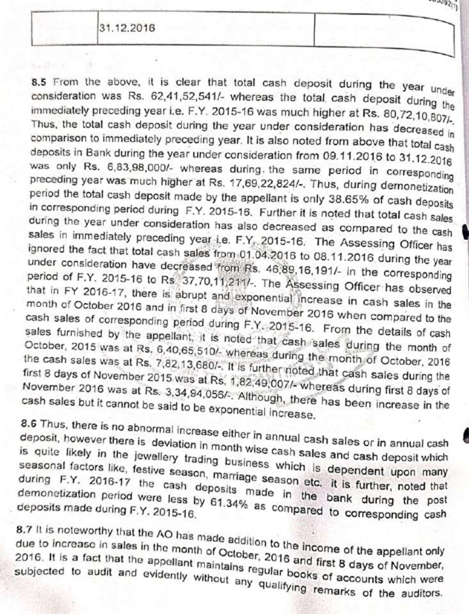
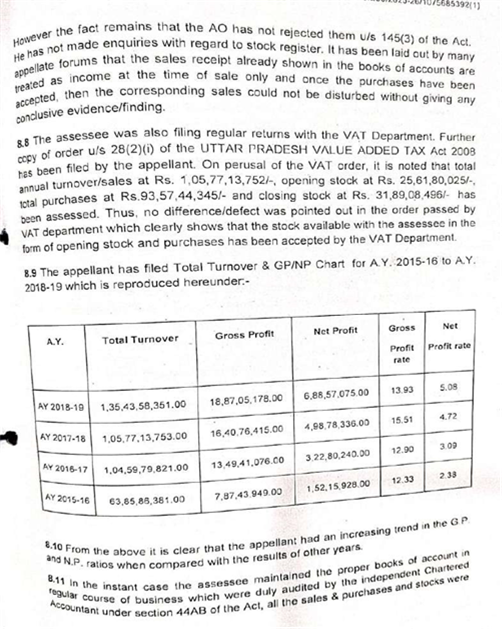
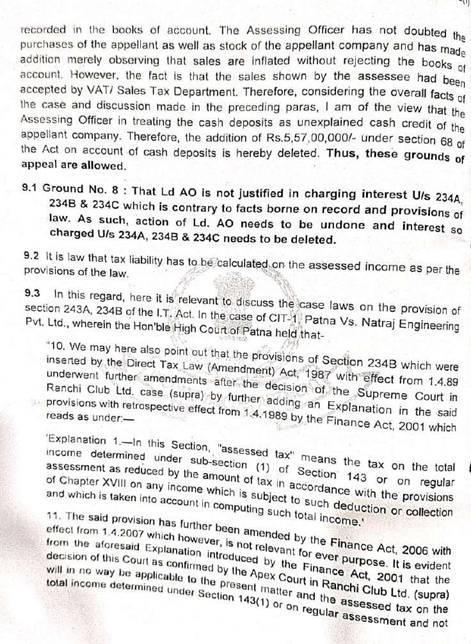
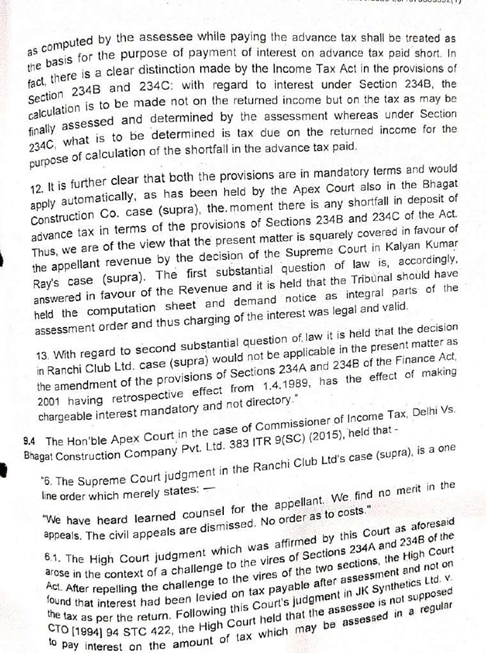
(C) The assessee’s appeal against the aforesaid assessment order dated 30.05.2022 was deleted by the learned CIT(A). The relevant part of the order of the learned CIT(A) is reproduced as under:
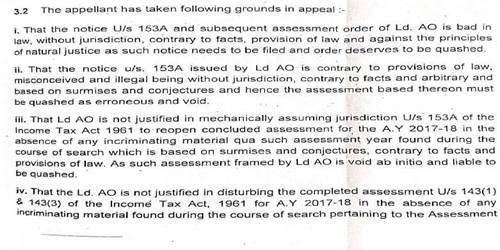
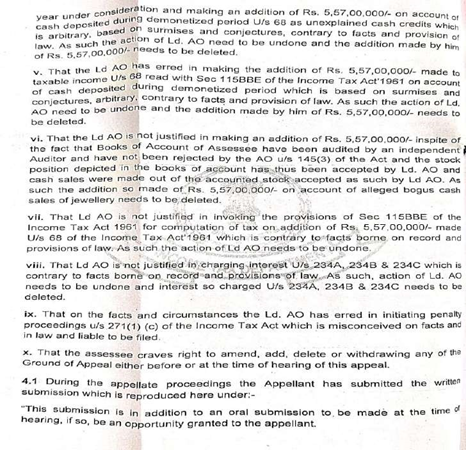
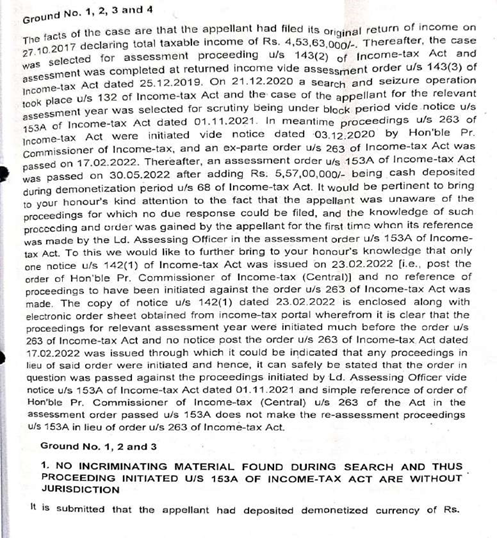
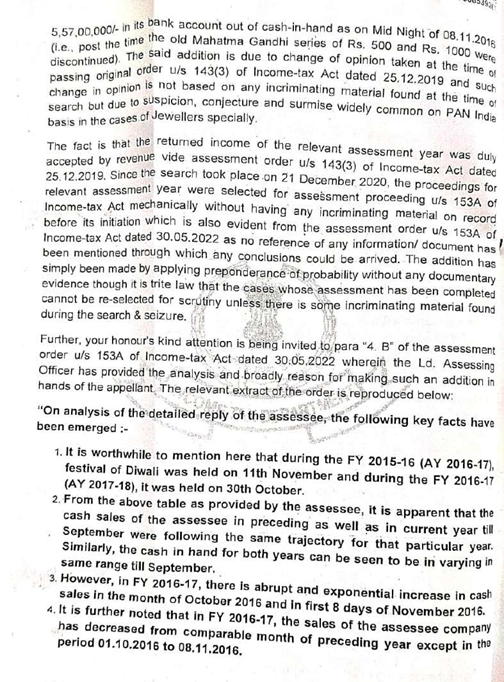
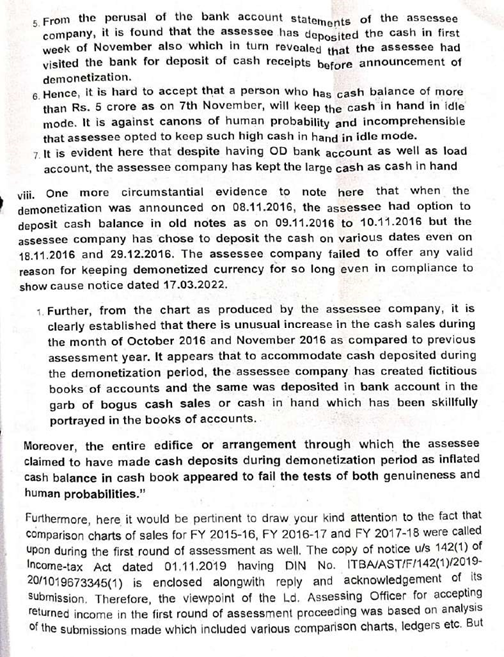
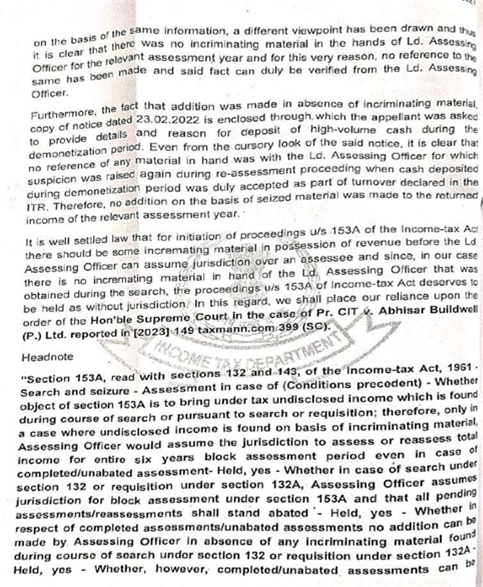
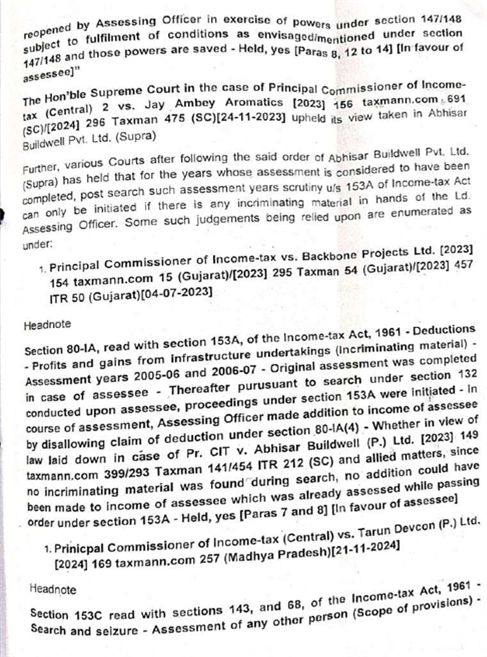
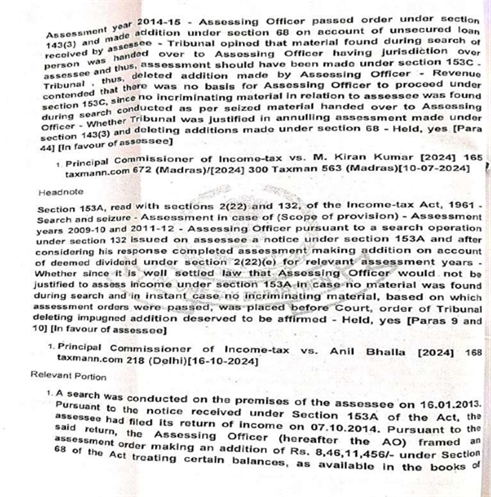
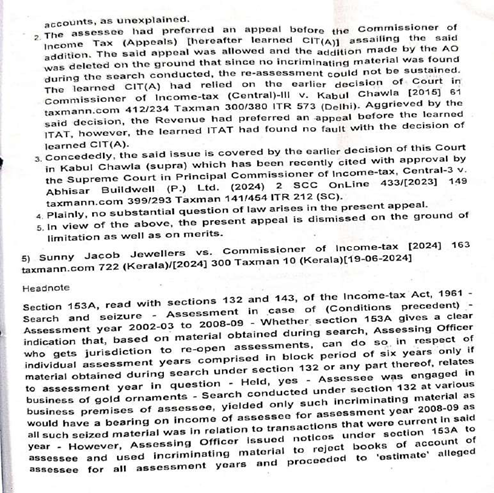
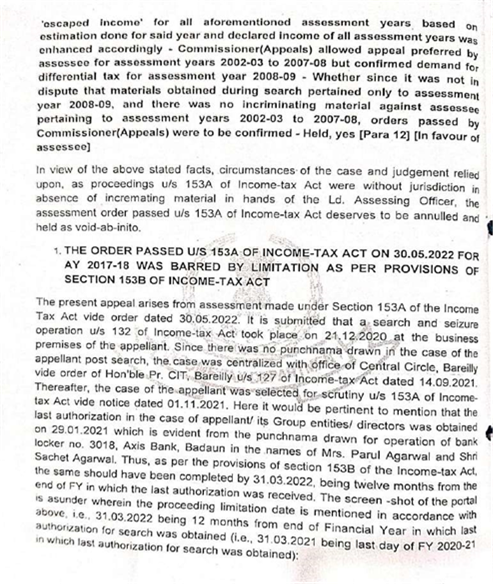
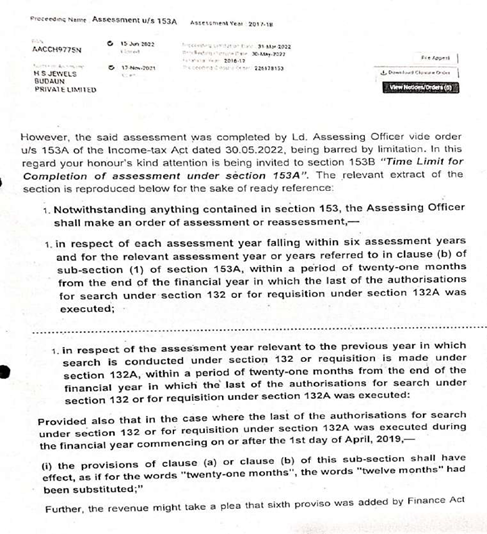
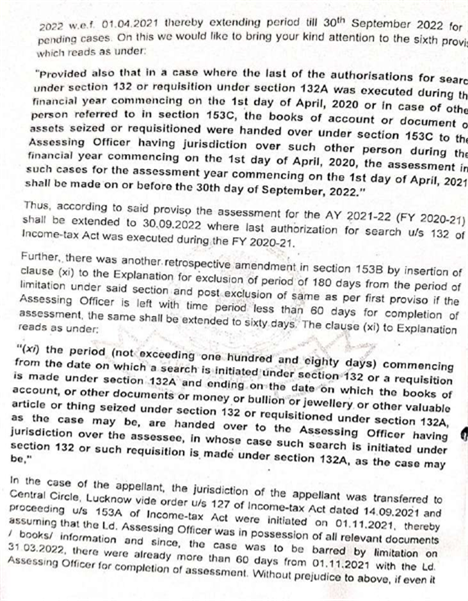
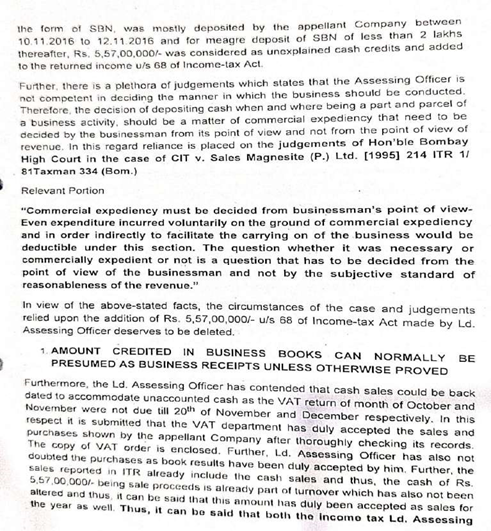
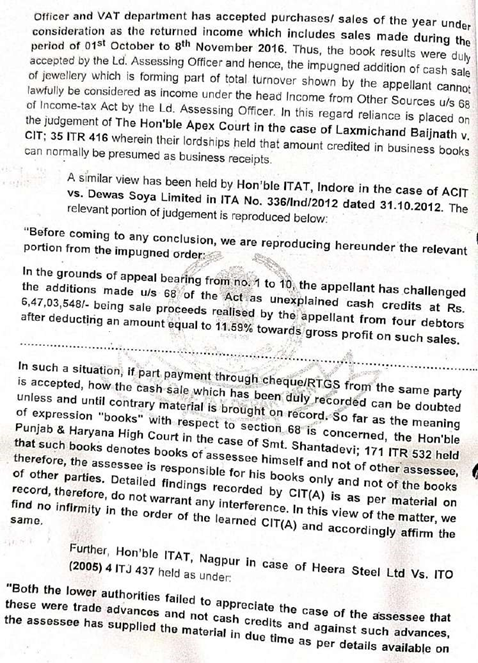
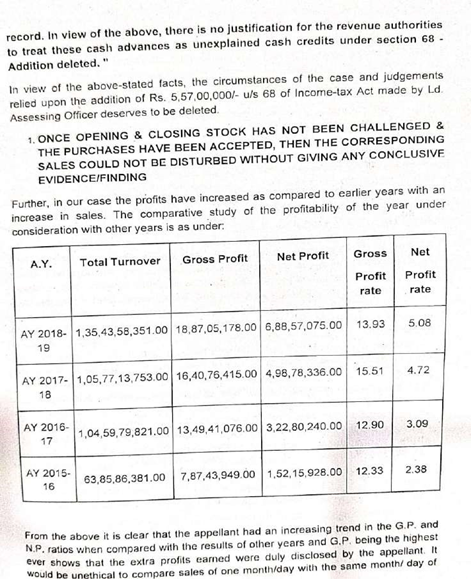
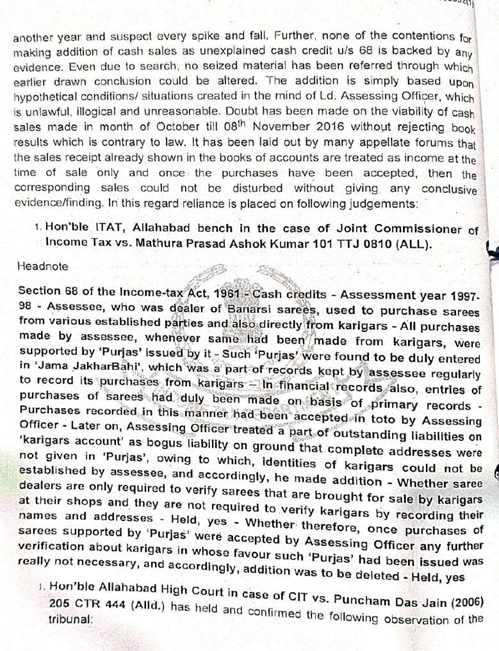
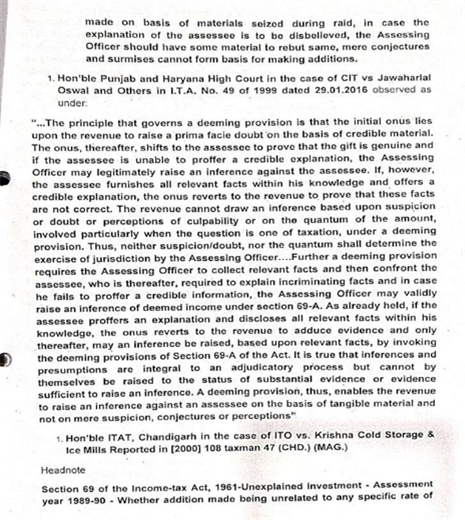
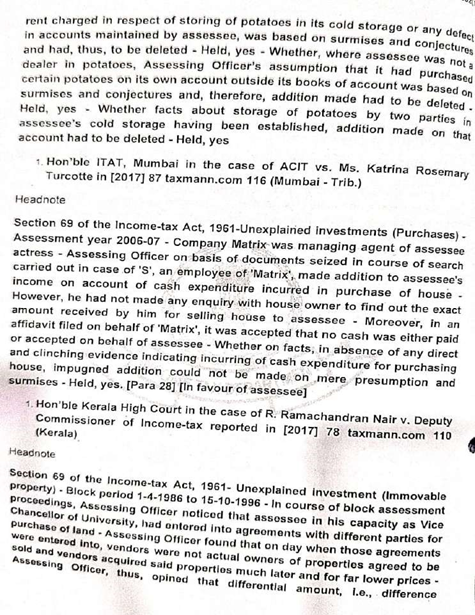
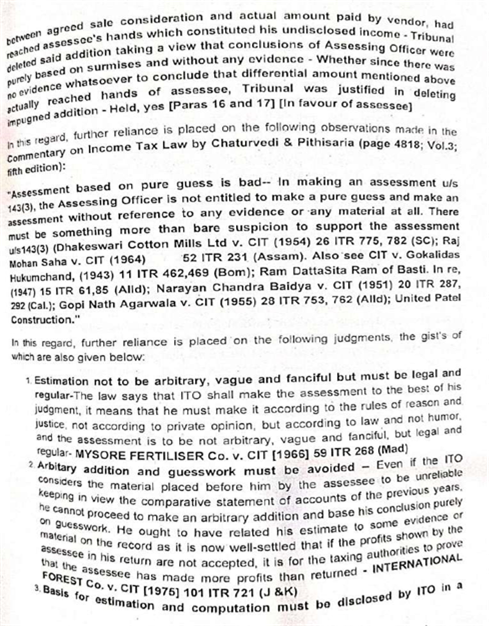
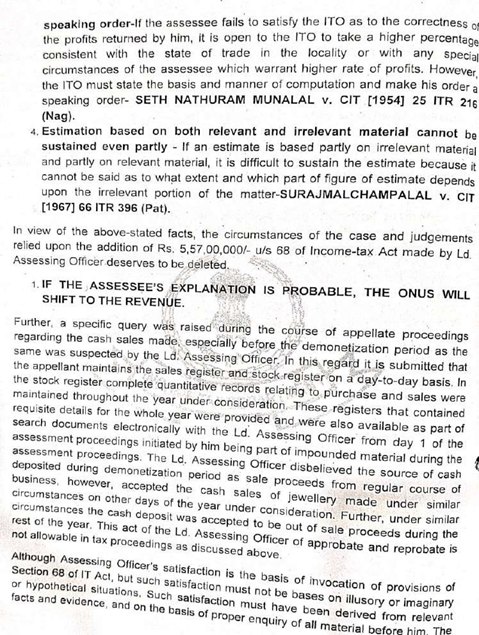
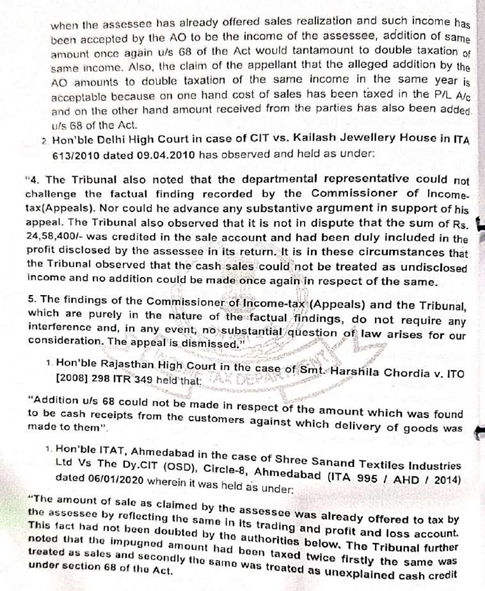
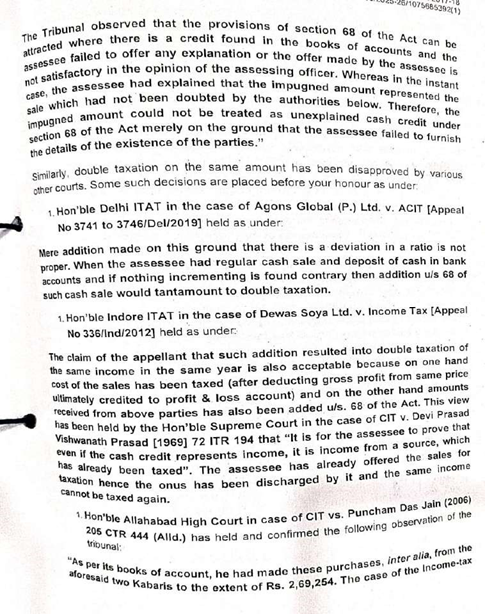
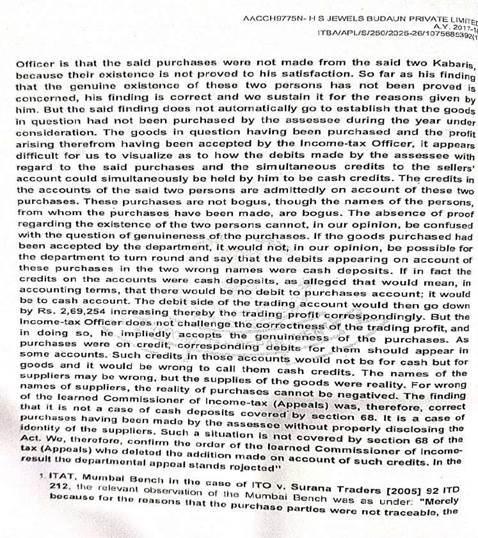
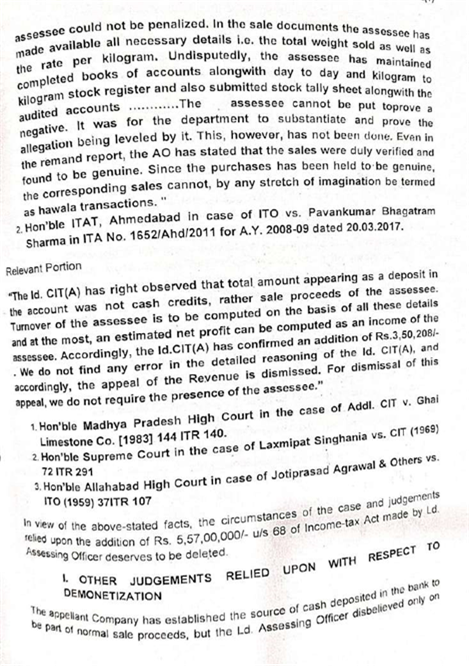
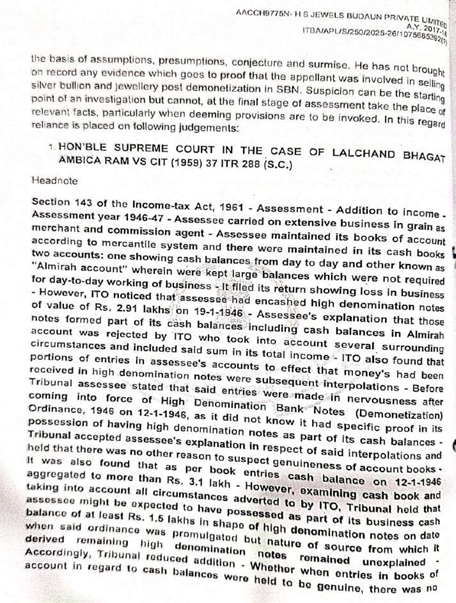
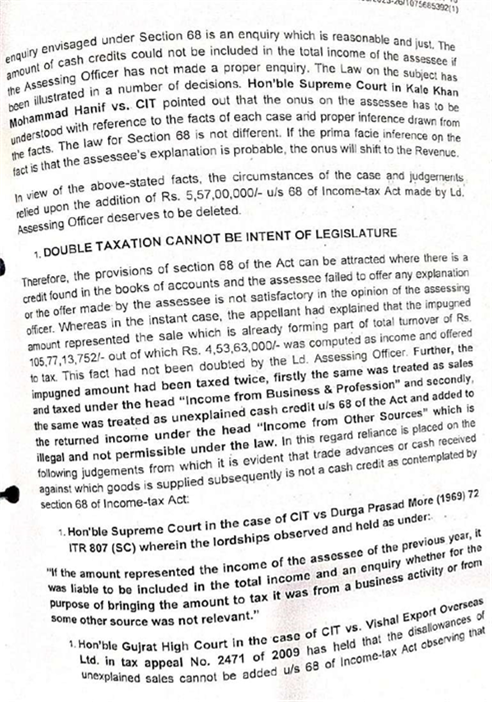
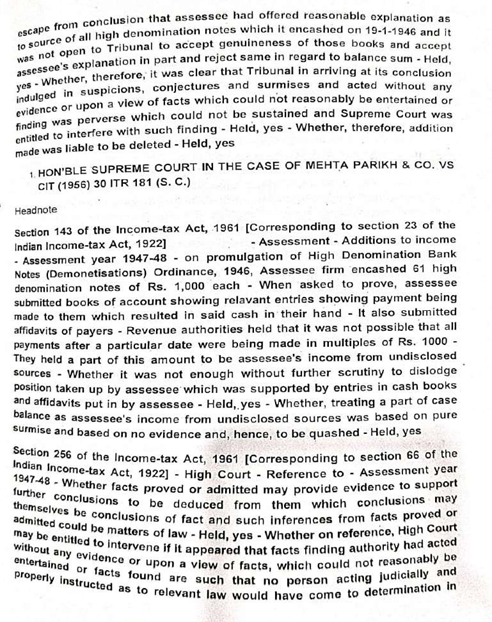
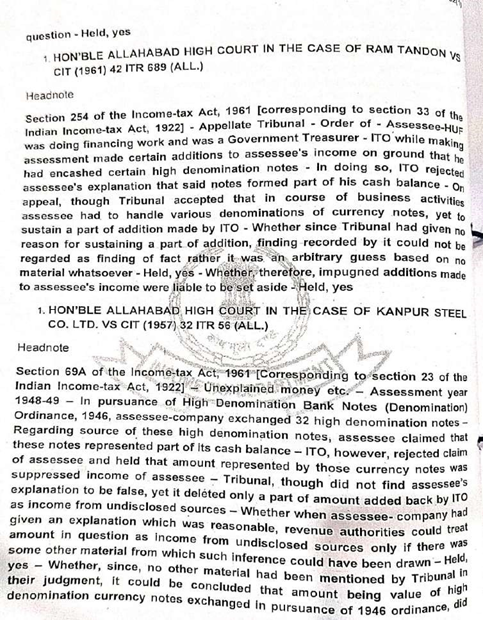
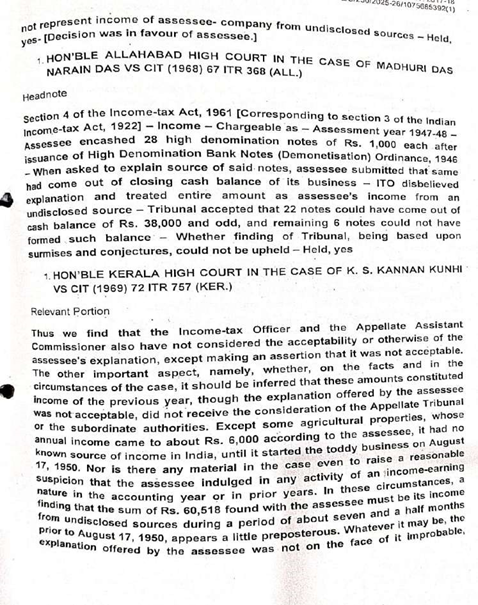
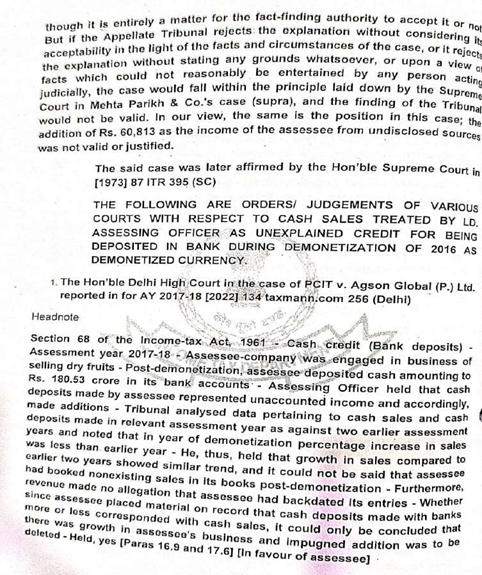
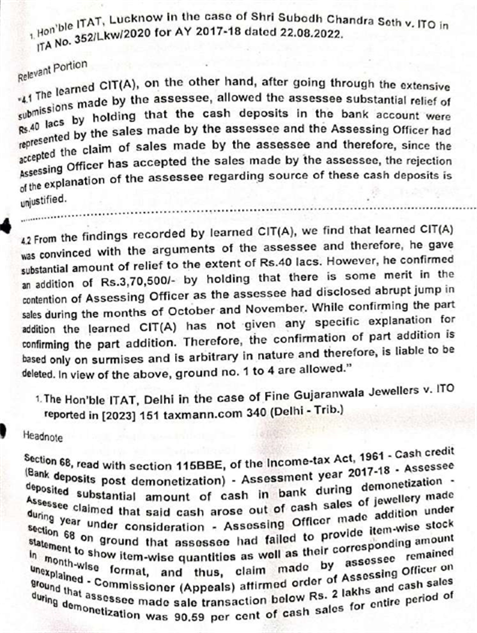
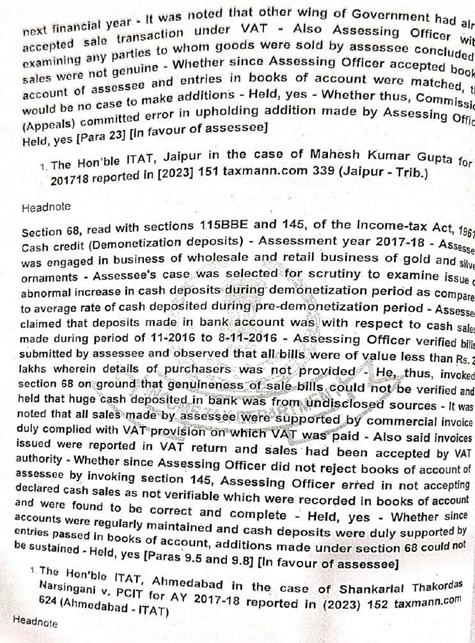
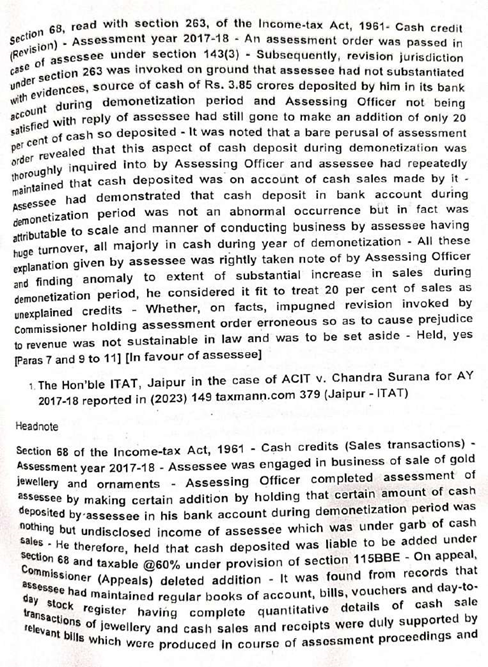
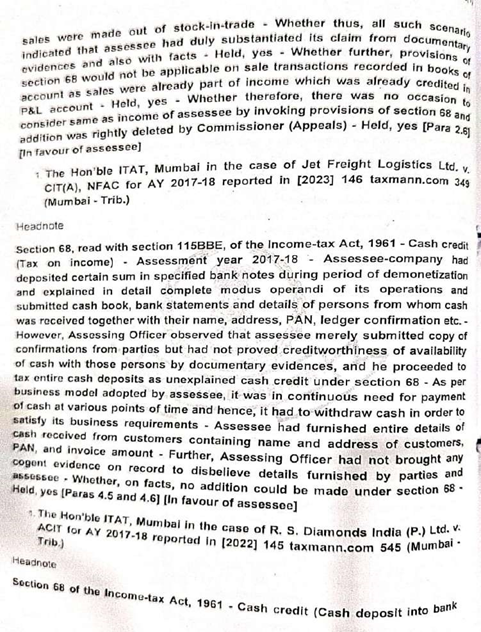
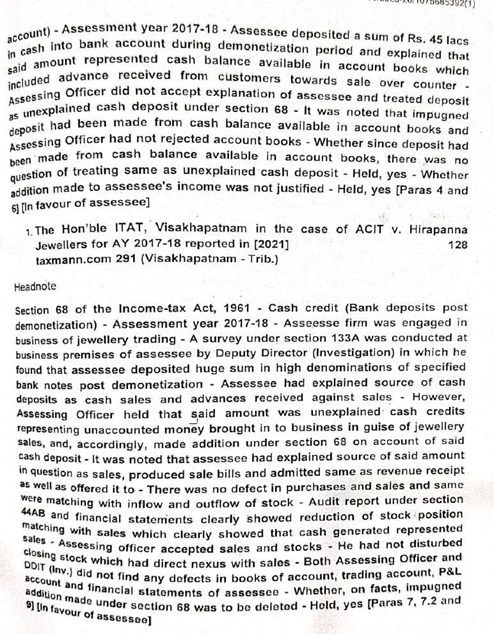
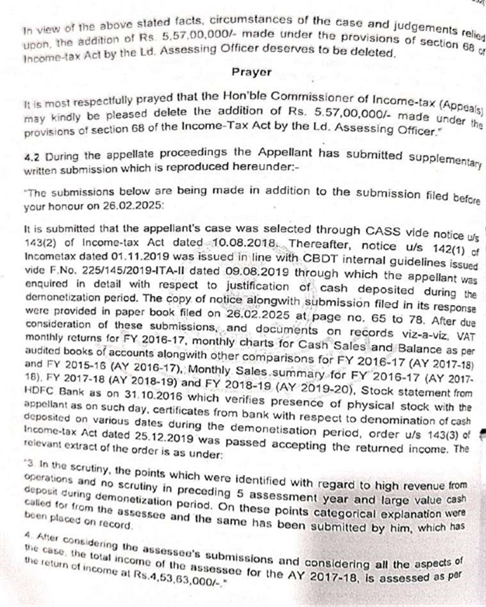
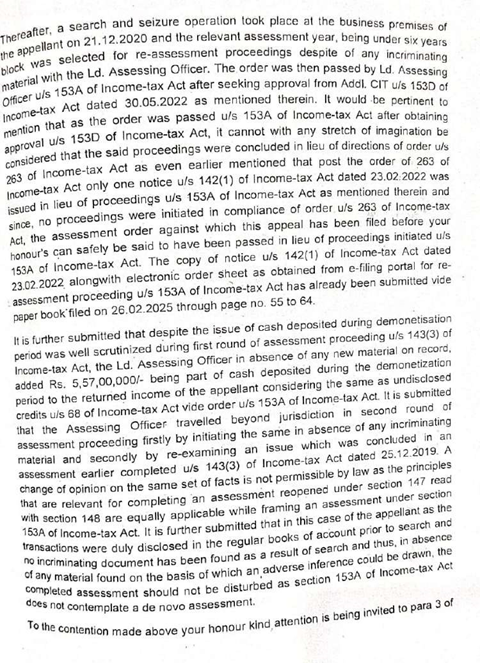
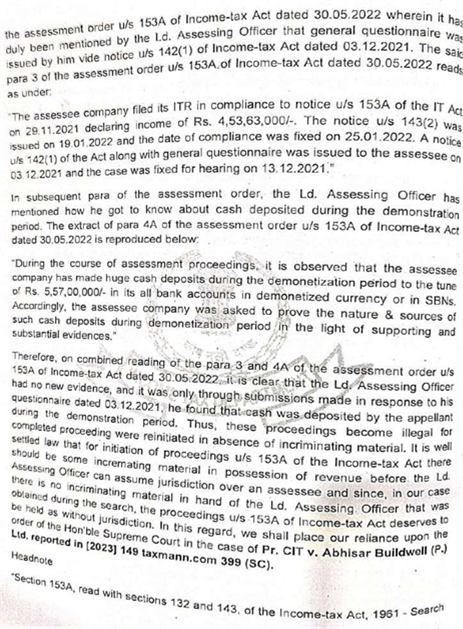
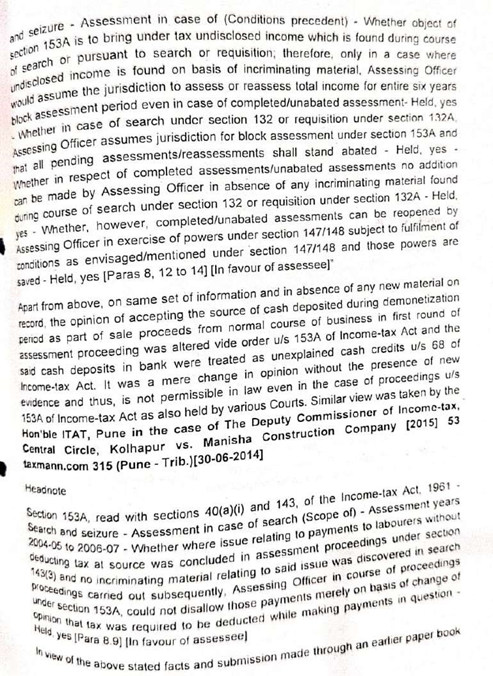
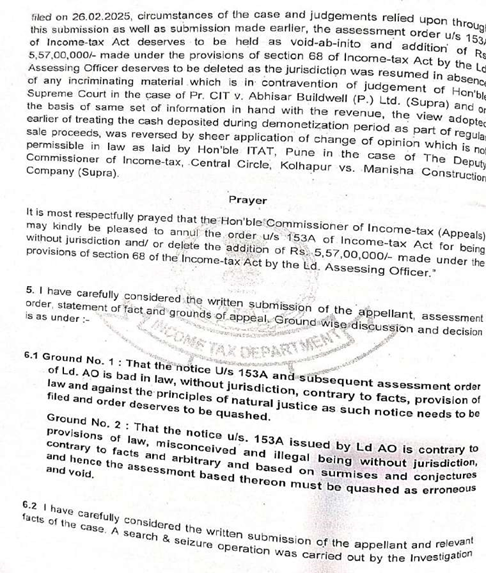
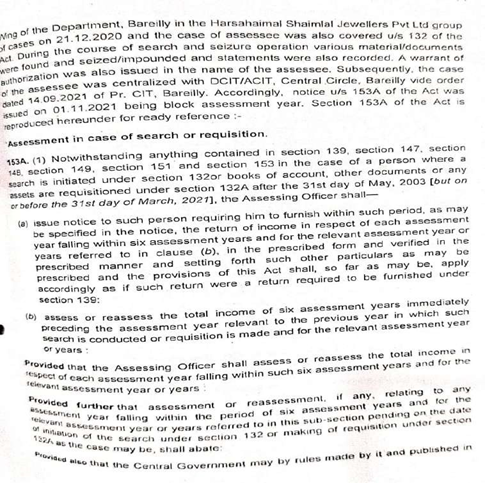
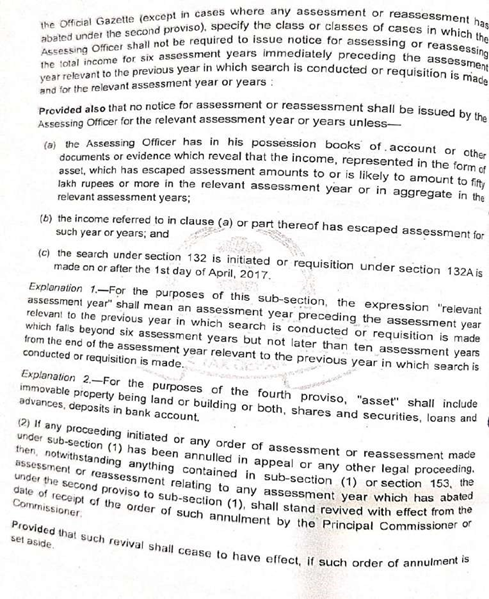
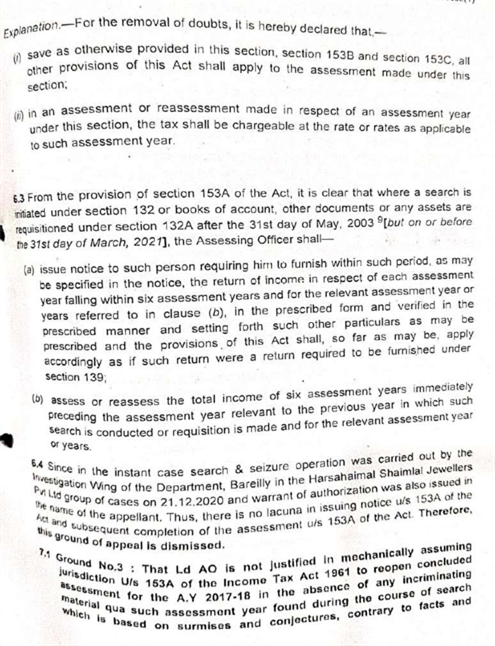
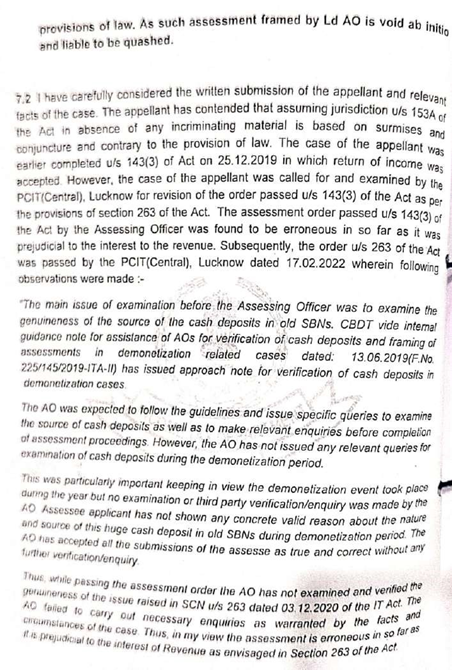
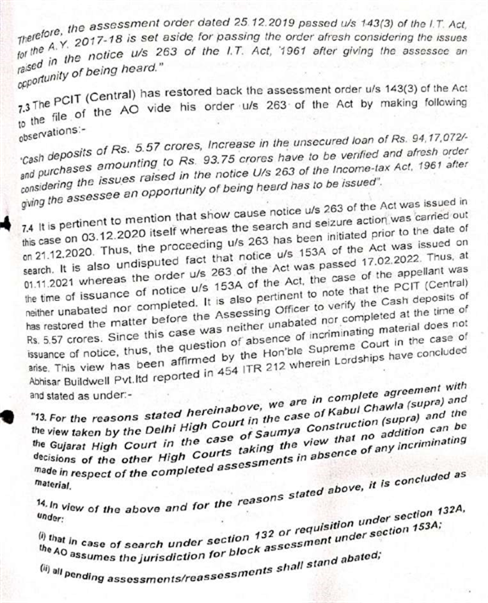
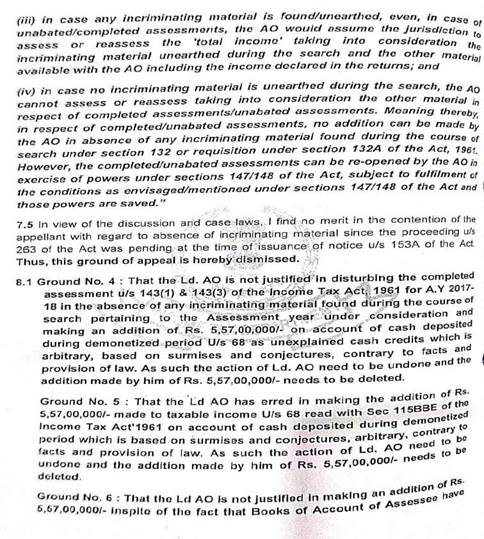
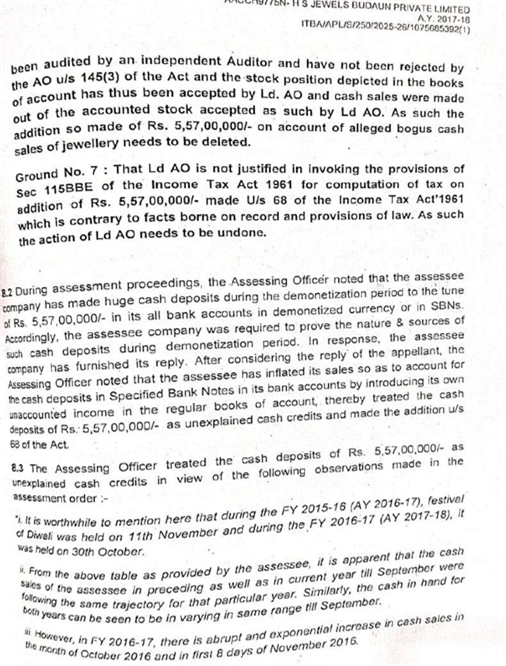
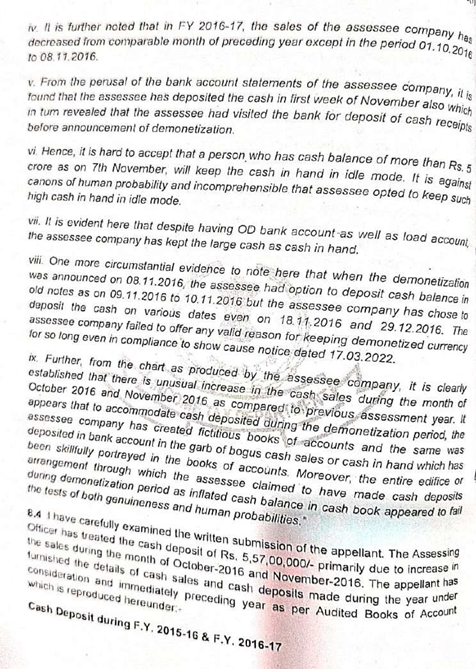
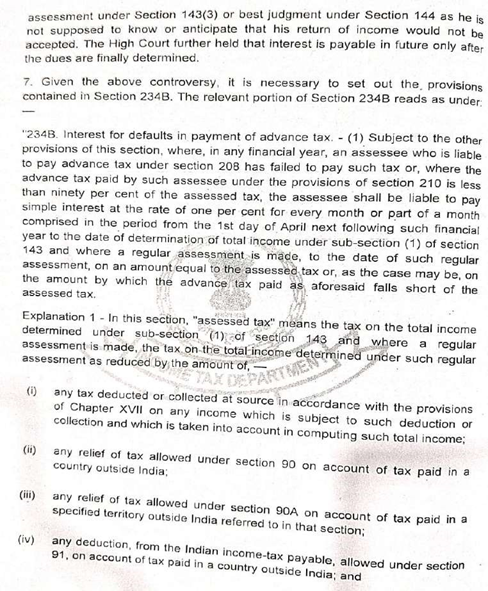
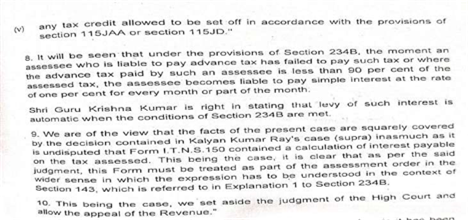
(D) The present appeal has been filed by Revenue against the aforesaid impugned appellate order dated 19.04.2025 of the learned CIT(A). At the time of hearing, the learned Departmental Representative for Revenue placed reliance on the aforesaid assessment order dated 30.05.2022 whereas the learned Authorized Representative for the assessee placed reliance on the aforesaid impugned appellate order dated 19.04.2025 of the learned CIT(A), the relevant portion of which has already been reproduced in foregoing paragraph (C) of this order. The learned Authorized Representative for the assessee also took recourse to Rule 27 of the Income Tax (Appellate Tribunal) Rules, 1963, and submitted that the assessee did not file appeal against the aforesaid impugned appellate order dated 19.04.2025 of the learned CIT(A) as the learned CIT(A) had deleted the addition. However, grounds taken against the assumption of jurisdiction under section 153A of the Act were wrongly dismissed by the learned CIT(A) in paragraphs 7.1 to 7.5 of the impugned appellate order dated 19.04.2025, relevant portion of which is referred to in foregoing paragraph (C) of this order. She further submitted that the view taken by the learned CIT(A) in paragraph 7.4 of the impugned appellate order dated 19.04.2025, that the assessee’s case was neither unabated nor completed, was wrong in the facts and circumstances of the case, having regard to applicable law.
(E) We have heard both sides. We have perused materials on record. On merits of the addition, the learned CIT(A) has deleted the aforesaid addition of Rs. 5,57,00,000/- in paragraphs 8.1 to 8.11 of the impugned appellate order of the learned CIT(A), referred to in foregoing paragraph (C) of this order, while deciding assessee’s grounds 5, 6 and 7 taken in the assessee’s appeal filed in the office of the learned CIT(A) against the aforesaid assessment order dated 30.05.2022. The learned CIT(A) noted in paragraph 8.6 of the impugned appellate order that there was no abnormal increase either in Annual Cash Sales or in Annual Cash Deposit. The learned CIT(A) also observed in paragraph 8.7 of the impugned appellate order that the assessee maintained regular books of accounts, which were subjected to audit, and there were no qualifying remarks of the Auditors in the Audit Report. The learned CIT(A) also noted that the Assessing Officer had not rejected the assessee’s books of accounts under section 145(3) of the Act. The learned CIT(A) further took the view that once the purchases have been accepted, then the corresponding sales could not be disturb without giving any conclusive evidence/finding. The learned CIT(A) also observed in paragraph 8.8 of the impugned appellate order that the turnover, opening stock, purchases, and closing stock reported by the Assessing Officer in VAT, Department was accepted in VAT order. The learned CIT(A) also observed in paragraph 8.9 and 8.10 of the impugned appellate order that the assessee had shown increasing rate of Gross Profit and Net Profit when compared with two earlier years and one subsequent year. In paragraph 8.11 of the impugned appellate order, the learned CIT(A) deleted the aforesaid addition of Rs. 5,57,00,000/- observing as under:
“8.11 In the instant case the assessee maintained the proper books of account in regular course of business which were duly audited by the independent Chartered Accountant under section 44AB of the Act, all the sales & purchases and stocks were recorded in the books of account. The Assessing Officer has not doubted the purchases of the appellant as well as stock of the appellant company and has made addition merely observing that sales are inflated without rejecting the books of account. However, the fact is that the sales shown by the assessee had been accepted by VAT/ Sales Tax Department. Therefore, considering the overall facts of the case and discussion made in the preceding paras, I am of the view that the Assessing Officer in treating the cash deposits as unexplained cash credit of the appellant company. Therefore, the addition of Rs.5,57,00,000/- under section 68 of the Act on account of cash deposits is hereby deleted.
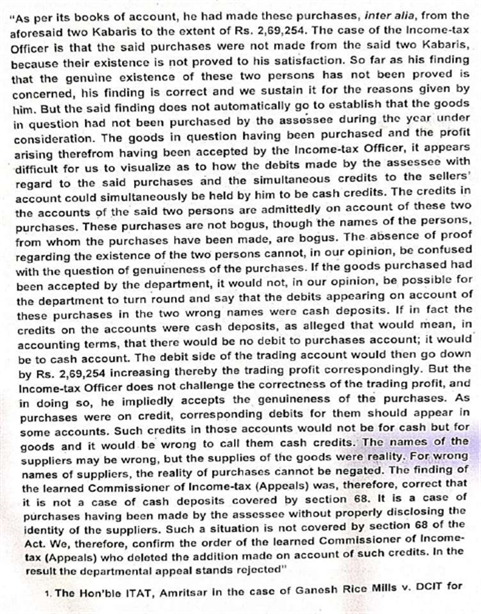
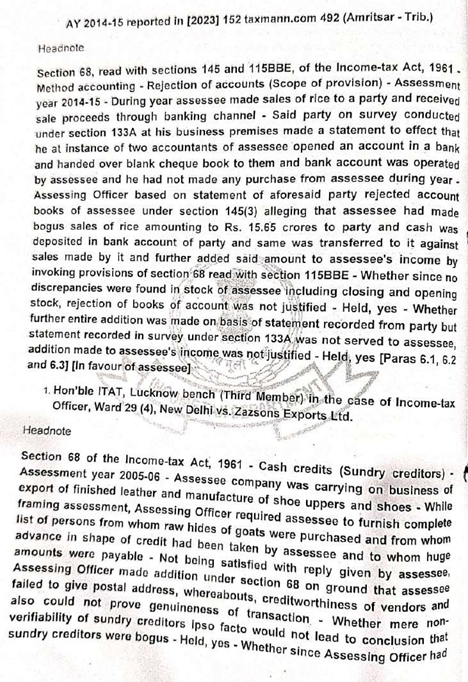
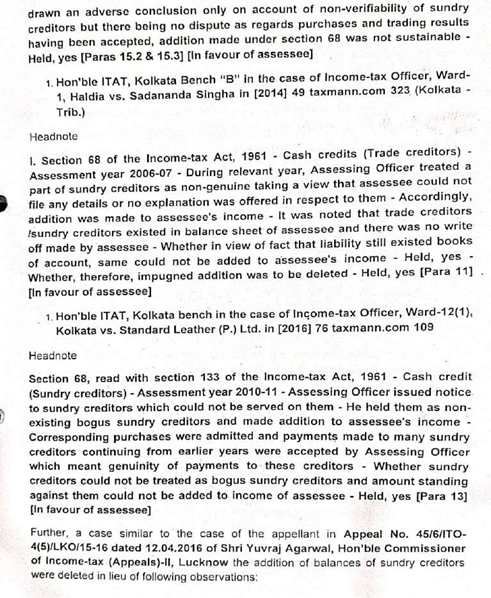
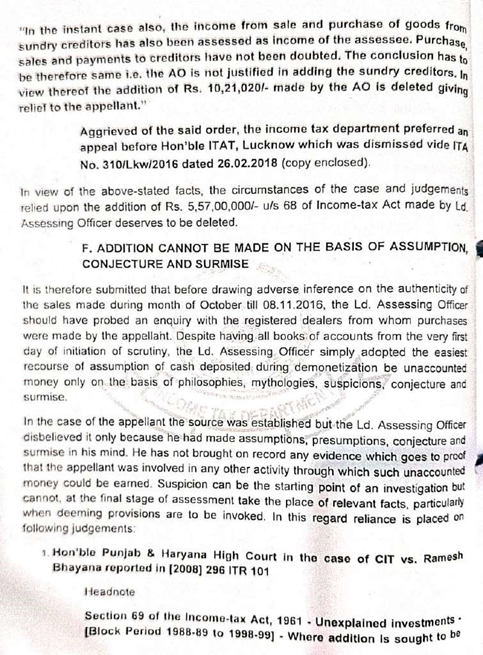
(F) The order of learned CIT(A), on merits, as referred to in foregoing paragraph (C) of this order, rejecting the contention of the Assessing Officer that the aforesaid amount of Rs. 5,57,00,000/- was unexplained cash credit, is a just and fair order, having regard to facts and circumstances of the case, and applicable law. Learned CIT(A) has discussed the issue in detail in his impugned order. No material has been brought for our consideration by the learned Departmental Representative for Revenue, to persuade us to interfere with the impugned order of learned CIT(A), on merits of the addition made. In similar facts and circumstances, in the case of Kashi Nath Seth Sarraf (P.) Ltd. v. ACIT (Lucknow – Trib.). Coordinate bench of ITAT, Lucknow deleted the addition, in respect of cash deposited in banks by assessee in jewellery business, during demonization period, observing as under:
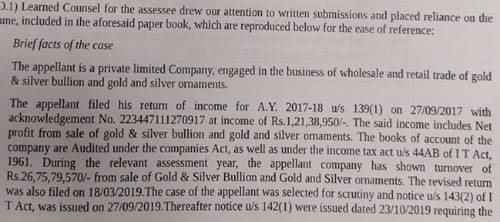
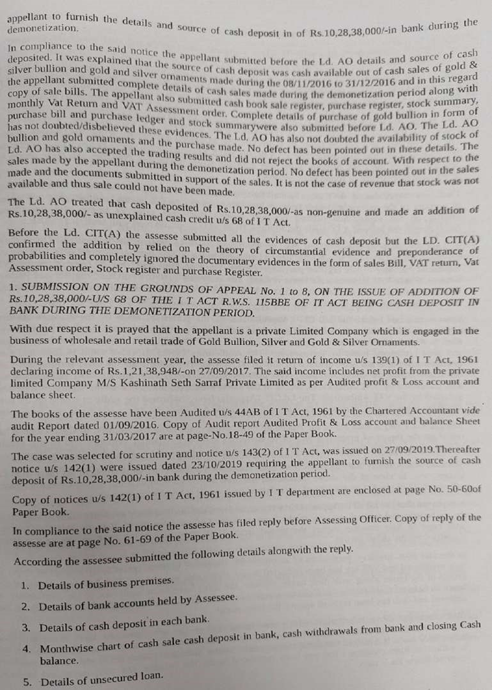
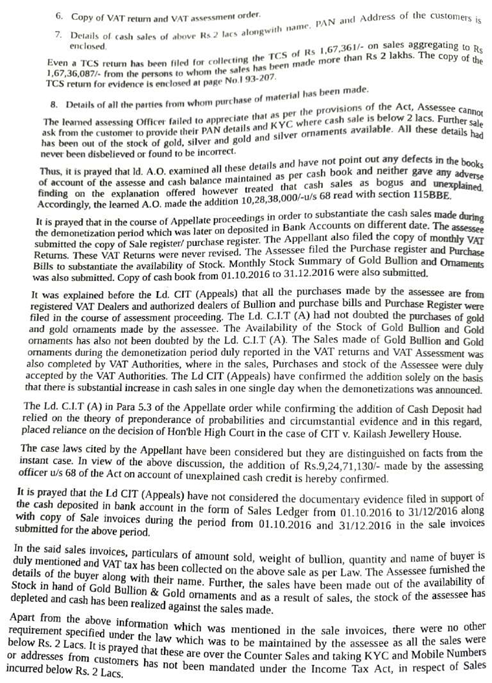
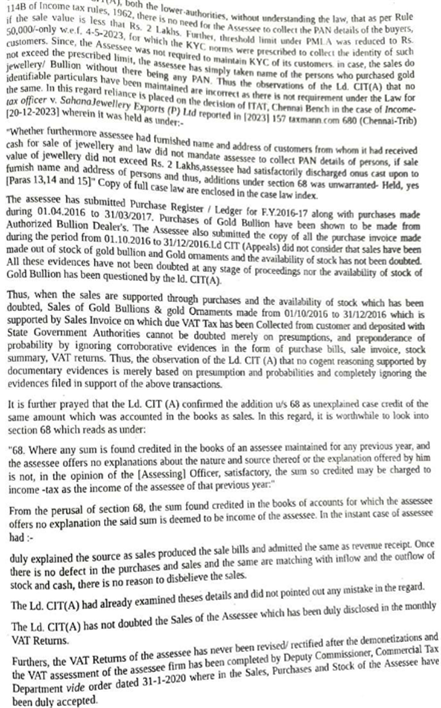
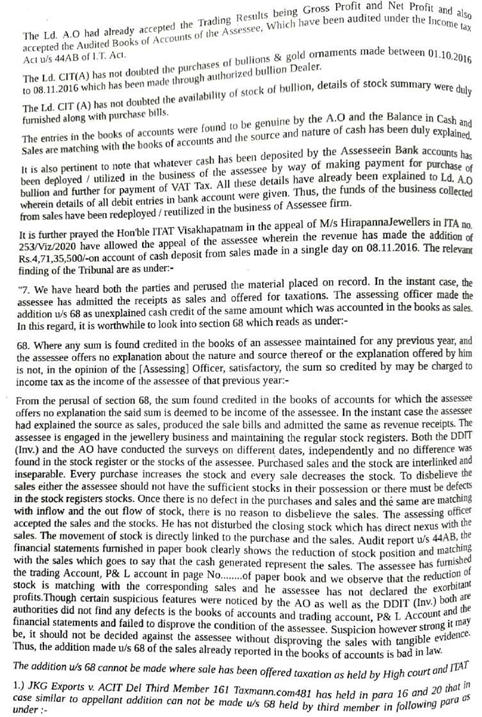
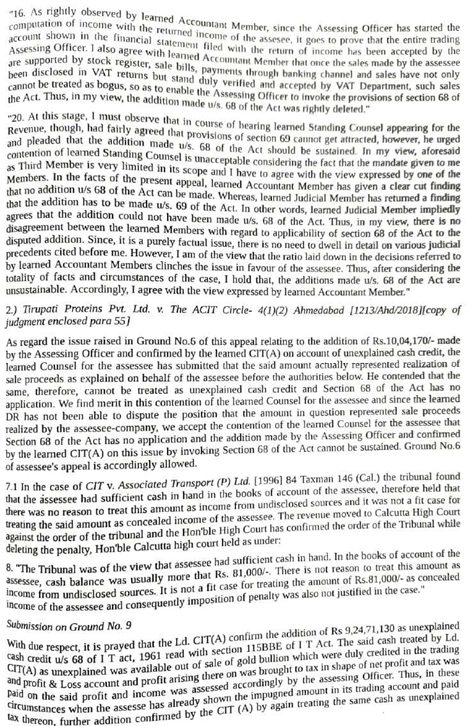
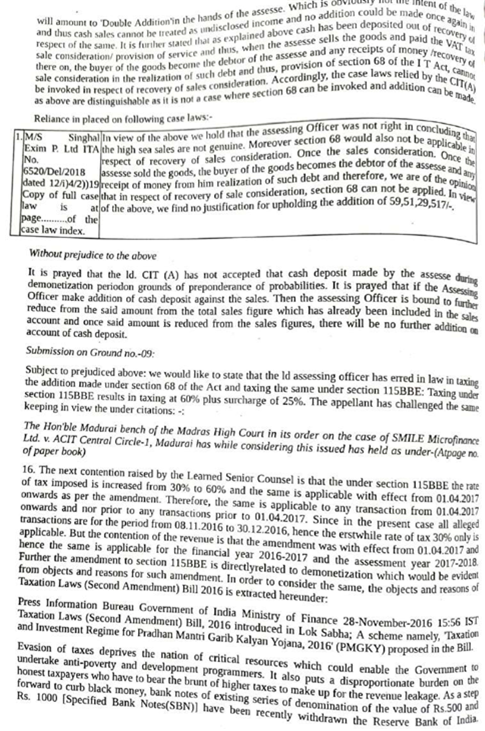
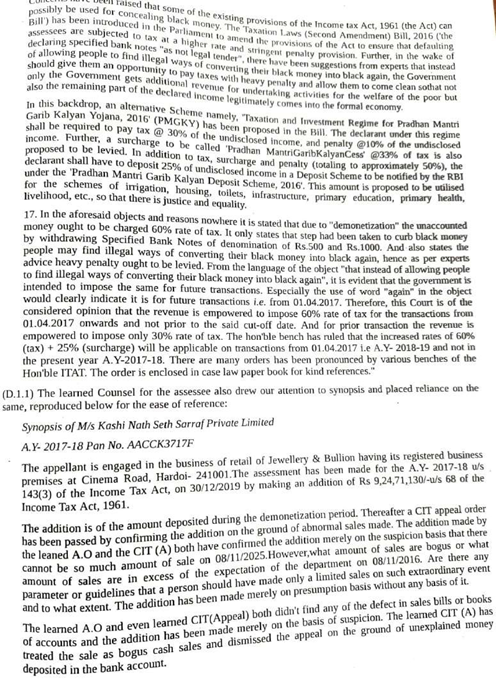
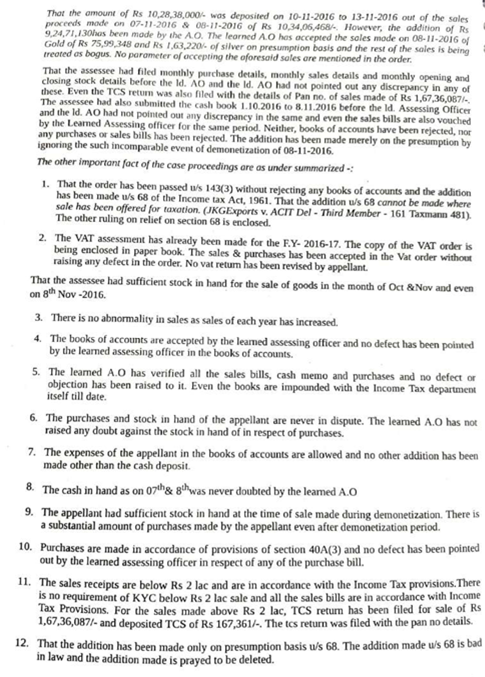
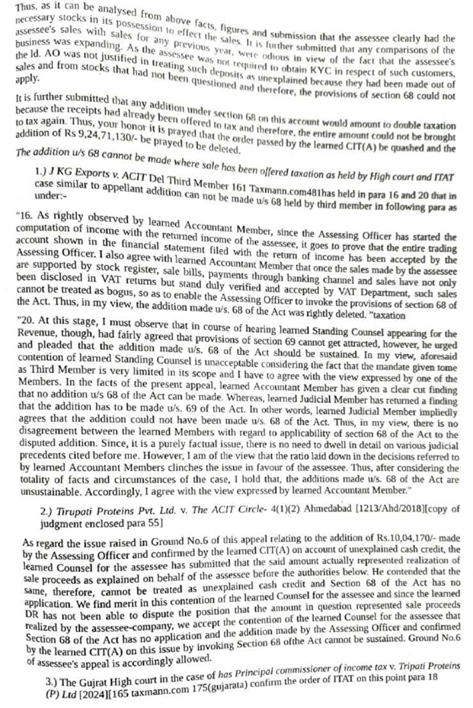
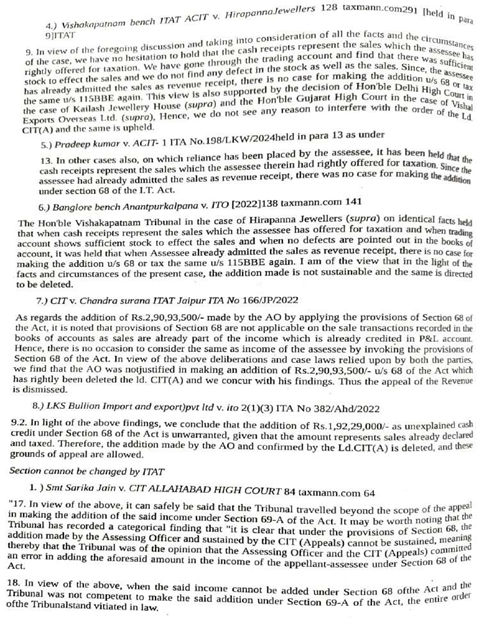
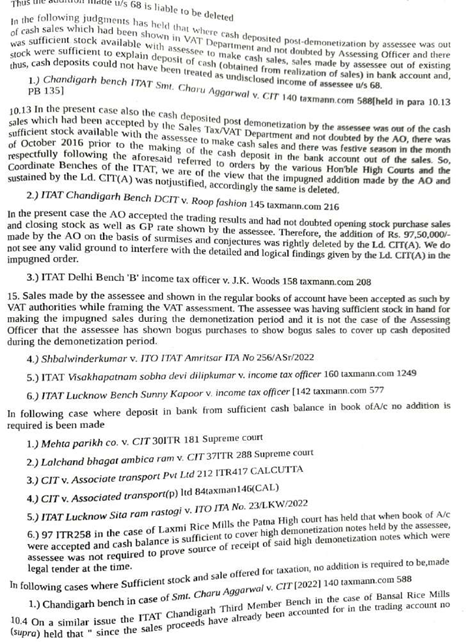
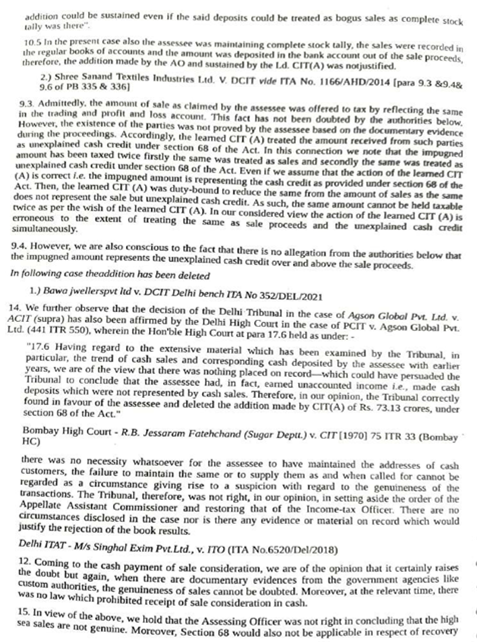
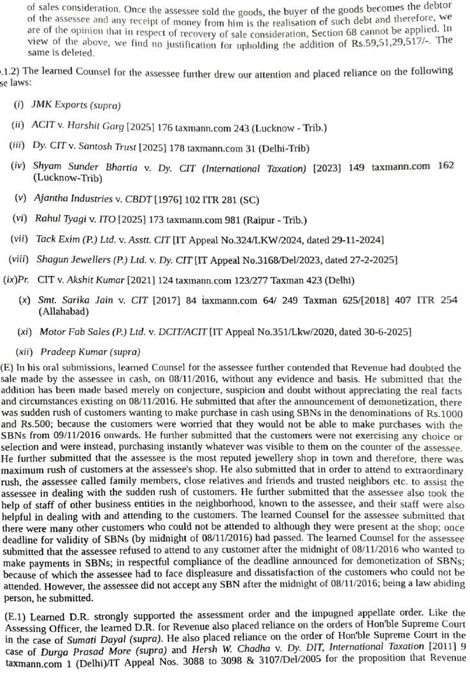
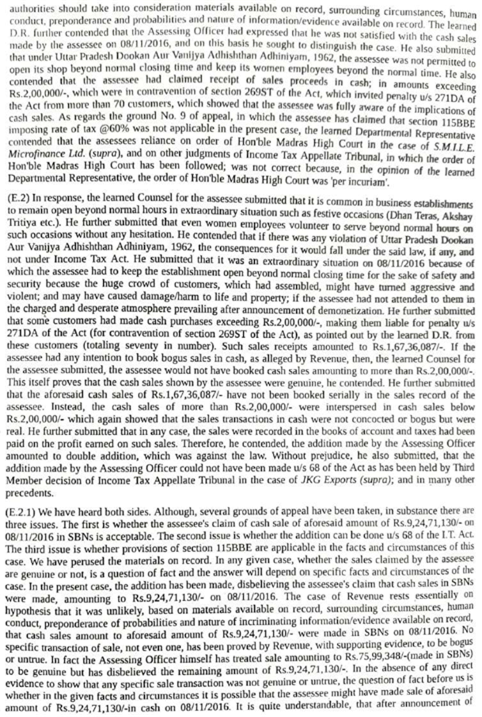
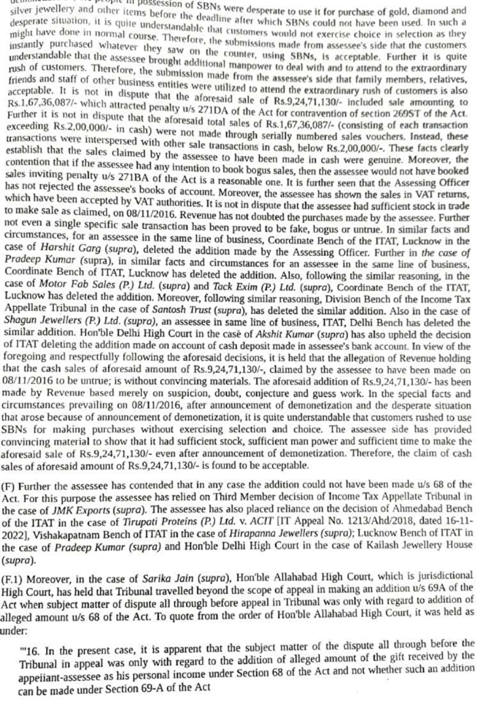
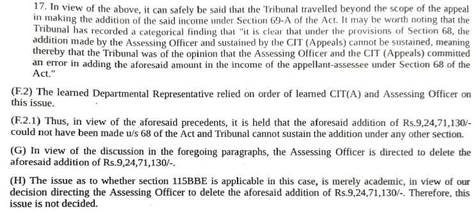
(G) It may also be noted that in the aforesaid case of Kashi Nath Seth Saraf (P.) Ltd. (supra) a categorical view was taken in paragraphs F, F.1, F.2 and F.2.1 of the order, (already referred to in foregoing paragraph (F) of this order) that addition could not have been made under section 68 of the Act. In the present case also, the Assessing Officer has made the addition of the aforesaid amount of Rs. 5,57,00,000/- under section 68 of the Act. Following the decision of Co-ordinate Bench of ITAT, Lucknow in the case of Kashi Nath Seth Sarraf (P.) Ltd. (supra), we hold in the present appeal before us also, that the addition amounting to Rs. 5,57,00,000/- could not have been made under section 68 of the Act, and that this addition made under section 68 of I.T. Act cannot be sustained.
(H) In view of the foregoing discussion in paragraphs (F) and (G) of this order, we find no reason to disturb or interfere with the impugned order of the learned CIT(A) wherein, on merits, the learned CIT(A) has deleted the aforesaid addition of Rs. 5,57,00,000/- in paragraphs 8.1 to 8.11 of the impugned appellate order of the learned CIT(A). Therefore, the grounds taken by the revenue in the present appeal are rejected and the appeal is dismissed.
(I) As regards the arguments made by the learned Authorized Representative for the assessee, invoking Rule 27 of the Income Tax (Appellate Tribunal) Rules, 196, it is observed that when the search was conducted (on 21.12.2020) and also when notice under section 153A of the I.T. Act, dated 01.11.2021 was issued by the Assessing Officer; the assessment of the assessee was already completed as per aforesaid assessment order dated 25.12.2019 passed under section 143(3) of I.T. Act. Thus, on the date of search (21.12.2020) and also on date of issue of notice under section 153 of I.T. Act, the case of the assessee was in the category of ‘completed assessment’. Therefore, the view taken by the learned CIT(A) that the case of the assessee was neither in the category of unabated assessment, nor completed assessment is erroneous in the facts and circumstances of the case. Although the learned Pr.CIT passed order dated 17.02.2022 u/s 263 of I.T. Act, subsequently, setting aside the aforesaid assessment order dated 25.12.2019; the Assessing Officer did not pass a consequential order under section 263/143(3) of I.T. Act in pursuance of order of learned Pr.CIT passed under section 263 of I.T. Act. Instead, the Assessing Officer passed fresh assessment order under section 153 of I.T. Act in consequence of search and seizure action under section 132 of I.T. Act. Thus, no effect was given to order of learned Pr.CIT passed under section 263 of I.T. Act. At the time when assessment order was passed under section 153A of I.T. Act on 30.05.2022; the original assessment order dated 25.12.2019 passed under section 143(3) of I.T. Act; had ceased to exist as it was set aside by order of learned Pr.CIT passed under section 263 of I.T. Act. Thus, when the order was passed under section 153A of I.T. Act, the case of the assessee fell in the category of ‘unabated assessment’. The foregoing discussion establishes that the assessee’s case fell in the category of ‘completed assessment’ on the date of search under section 132 of I.T. Act and on the date of initiation of assessment proceedings under section 153A of I.T. Act vide notice dated 01.11.2021, and further, that when assessment order under section 153A of I.T. Act was passed, the case of the assessee fell in the category of ‘unabated assessment’. Therefore, the view taken by the learned CIT(A), that the assessee’s case fell neither in the category of completed assessment nor unabated assessment, is erroneous in the present case. Fact is, the assessee’s case fell in the category of ‘completed assessment’ and ‘unabated assessment’ at different times. In either case, no addition could have been made in the order under section 153A of I.T. Act in the absence of any incriminating materials found at the time of search under section 132 of I.T. Act. In the present case, it is not in dispute that no incriminating material was found in the case of the assessee in the course of search under section 132 of I.T. Act. The issue is settled in favour of the assessee, by orders of Hon’ble Supreme Court in the case of
Pr. CIT v.
Abhisar Buildwell (P.) Ltd. 454 ITR 212 (SC) and in
Dy. CIT v.
U. K. Paints (Overseas) Ltd. [2023] 454 ITR 441 (SC) wherein it was held by Hon’ble Supreme Court, that no addition can be made in assessment order under section 153A in the cases falling in the category of completed or unabated assessment, in the absence of any incriminating material found in the case of the assessee during search under section 132 of I.T. Act. Respectfully following the aforesaid orders of Hon’ble Supreme Court; we hold that in the present case, having regard to applicable law and facts and circumstances of this specific case, no addition could be made in assessment order passed under section 153A of I.T. Act. For this reason also, the addition made in the assessment order, passed under section 153A of I.T. Act deserves to be deleted.
(J) In view of the foregoing discussion in paragraphs (F), (G), (H) and (I) of this order; the appeal filed by Revenue is devoid of any merit. Accordingly, appeal of Revenue is dismissed.
(K) All grounds of appeal are treated as disposed off in accordance with the discussion and order.
(L) In the result, appeal of Revenue is dismissed.



