


Wikipedia • RMS Titanic sank in the North Atlantic Ocean on 15 April 1912. The largest ocean liner in service at the time, Titanic was four days into her maiden voyage from Southampton, England, to New York City, United States, with over 2,200 people on board when she struck an iceberg at 23:40 on 14 April.
Today we will know this heart-wrenching story of Titanic, which sank 112 years ago, but whose tragedy still makes the heart restless. In this video, we will find out what happened to the Titanic that sank.
The video states that the SS Californian failed to assist the Titanic for several reasons:
- Wireless Radio Off: When the Californian decided to stop for the night due to ice, its wireless radio was turned off, preventing the crew from receiving the Titanic’s distress signals (24:09 – 24:18).
- Ignored Signals: Although the crew saw the distress rockets and flares from the Titanic, Captain Stanley Lord did not take the situation seriously (24:22 – 24:29).
- Ineffective Communication: Captain Lord instructed his crew to use a Morse lamp to signal the Titanic from their quarters, but the Titanic’s crew was too preoccupied with the unfolding disaster to see these signals (24:32 – 24:55).
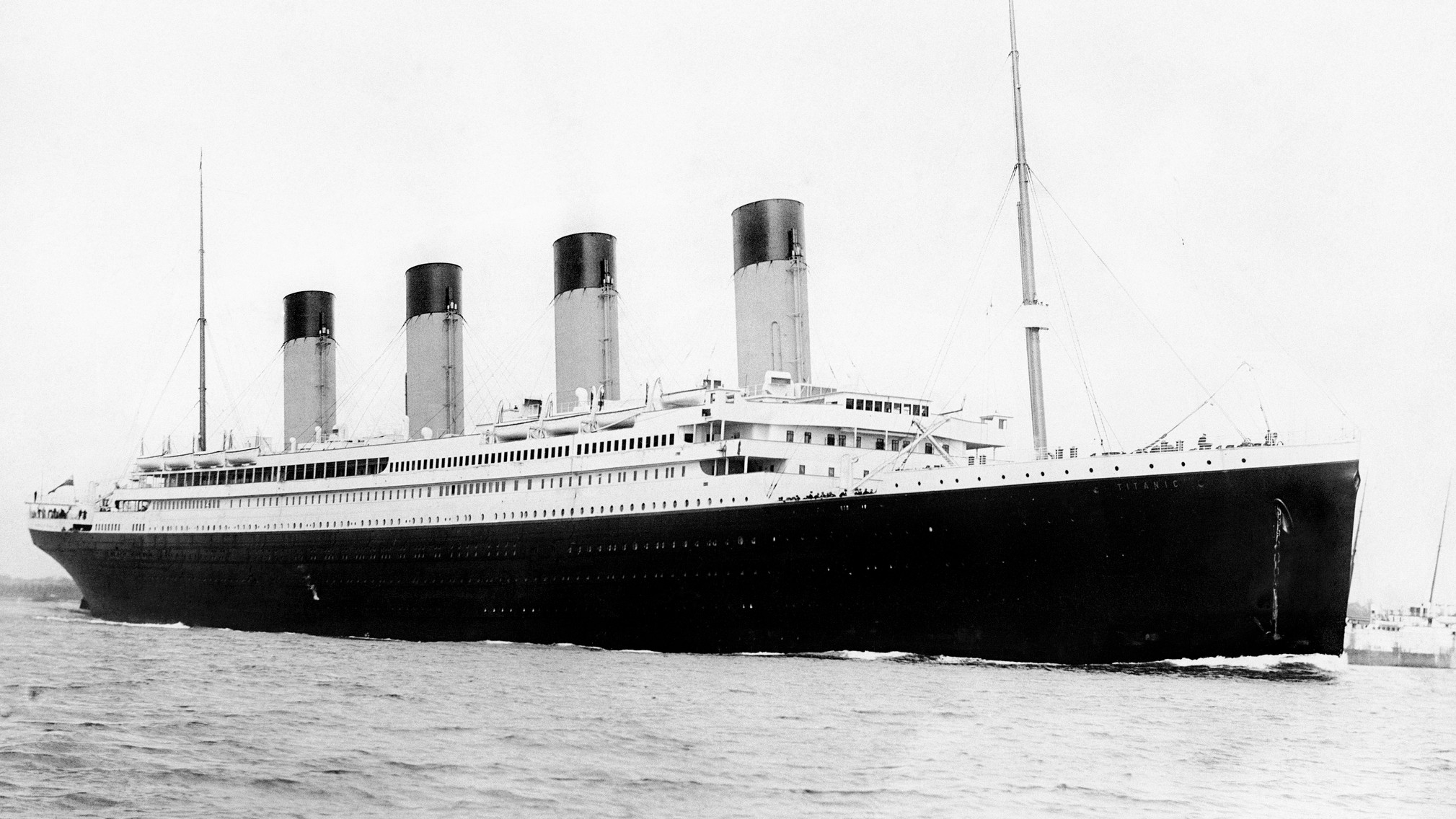
The Titanic sank on April 15, 1912, because an iceberg collision caused a series of thin gashes along the ship’s starboard side. This breached six watertight compartments. The ship was designed to stay afloat with only four flooded. As the bow filled, the ship tilted forward, causing water to spill over into adjacent chambers in a domino effect. [1, 2, 3, 4, 5]
The Chain of Events
- The Impact: On the night of April 14, 1912, at 11:40 p.m., the crew spotted an iceberg in the North Atlantic. Attempts to steer around it failed, and the ship sideswiped the iceberg.
- Failed Fasteners: Rather than one massive tear, the impact buckled the hull plates and caused the iron rivets holding the steel plates together to snap open.
- Flawed Design: The Titanic was built with 16 watertight compartments separated by heavy bulkheads. However, the bulkheads did not extend all the way up to the uppermost decks. When the bow sank too low, the water spilled over the top of the internal walls into the next compartment, hastening the ship’s doom.
- The Sinking: Within two hours and forty minutes, the weight of the water overwhelmed the remaining compartments, pulling the front of the ship down and ultimately causing the hull to split in half before it sank. [4, 5, 9]
The Myth of “Unsinkable”
Mystery of Titanic
The “unsinkable” label was largely a marketing term used by shipping companies in an era where advanced shipbuilding technology generated high public confidence. It was based on the belief that a few breached compartments could be completely contained. The reality was that no ship of that era could survive catastrophic damage to five or six compartments simultaneously. [2, 3, 5, 10, 11]
Read more
. The History of the World in 20 Minutes
. How Did Ancient Humans Travel the World?
. Nonprofits empower a nation of problem solvers | Episode 4
. The Real Geological History of India
. History of the birth of Rail Transport – The Evolution of Railways
for more refer Gemini website click here
for more refer History website Click here