


Unique Identification Authority of India (UIDAI) initiated a significant redesign of the Aadhaar card
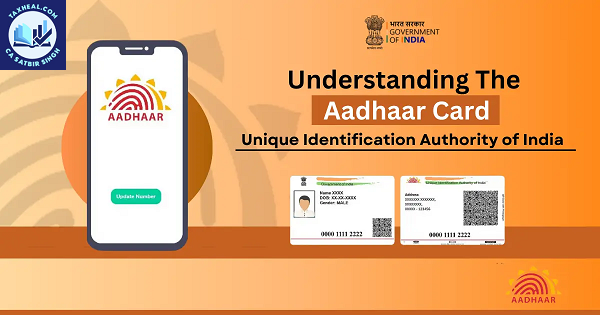
Unique Identification Authority of India (UIDAI)
The UIDAI did indeed kickstart a major strategic shift in November 2025, moving toward a “minimalist” physical card and a “digital-first” verification model. This redesign is one of the most significant changes to the Aadhaar infrastructure since its inception, primarily aimed at curbing identity theft and streamlining digital life.
Here is a breakdown of what this overhaul entails:
1. The “Privacy-First” Card Redesign
The most visible change is the physical look of the card. To prevent fraud when sharing or photocopying the document, the UIDAI is moving sensitive data off the surface of the card.
-
Visible Info: The front of the new card will reportedly feature only your photograph and a large, encrypted QR code.
-
Hidden Info: Sensitive details like your 12-digit Aadhaar number, full address, and Date of Birth (DOB) will no longer be printed in plain text.
-
The Logic: If you lose your card or someone takes a photo of it, they won’t have the immediate textual data needed to impersonate you. Verification happens via the QR code, which requires authorized apps to “unlock” the data.
2. Automated “Paperless” Updates
Starting in November 2025, the UIDAI streamlined how users update their profiles.
-
Zero-Document Updates: For demographic changes (name, address, or DOB), the system now cross-verifies details automatically with other government databases like PAN, Passport, or Driving License.
-
Digital-Only Path: You no longer need to visit an Aadhaar Seva Kendra for these basic updates; they can be completed entirely through the myAadhaar portal or the new Aadhaar app.
3. The New Aadhaar App & “Face Auth”
A new official app was introduced to act as a secure digital wallet.
-
Face Authentication: The app uses AI-driven face scans to confirm your physical presence before allowing access to your digital profile.
-
Selective Sharing: Instead of showing your whole profile, you can choose to share only specific fields (e.g., just your name and photo) for a specific verification task.
-
Offline Verification: The app allows for a “secure offline e-KYC,” letting service providers verify you without needing a live internet connection or your full Aadhaar number.
4. Strategic “Aadhaar Vision 2032”
This overhaul is part of a 10-year blueprint called Aadhaar Vision 2032. The goal is to align the system with India’s Digital Personal Data Protection (DPDP) Act, ensuring that Aadhaar functions as a “trust-based” digital ID rather than just a physical ID card.
Summary of Revised Service Charges (as of late 2025):
| Service Type | New Fee |
| Online Demographic Update | ₹75 (Free until mid-2026) |
| Biometric Update (In-person) | ₹125 |
| Mandatory Biometric (Children 5–17) | Free |
How do you feel about the transition to a card that doesn’t actually display your name or address—do you think the extra security is worth the potential confusion during manual checks?
**************************************************************************
The Aadhaar ecosystem is undergoing its most significant transformation since its inception. Dubbed “Aadhaar 2.0,” this redesign shifts the focus from simple identification to a “privacy-first” digital identity.
The overhaul, which began rolling out in late 2025 and is expanding through 2026, aims to eliminate the risks associated with sharing physical photocopies of your card.
1. The Physical Redesign: “Privacy by Default”
The most striking change is the look of the physical card itself. The UIDAI is moving toward a minimalist design that removes sensitive printed information.
-
What’s Gone: Your 12-digit Aadhaar number, date of birth, and home address will no longer be printed on the front of the card.
-
What’s New: The front will feature only your photograph and a large, encrypted QR code.
-
The Logic: This allows you to show your card for basic identity checks or provide a photocopy without worrying about identity theft. The QR code contains all your data in an encrypted format that can only be read by authorized, secure apps.
2. The New Aadhaar App (Aadhaar 2.0)
Launched in early 2026, the updated app is now the primary way to manage your identity. It follows the principles of the Digital Personal Data Protection (DPDP) Act.
-
Selective Data Sharing: Instead of sharing your entire profile, you can choose to share only specific attributes (e.g., just your photo and age) for tasks like hotel check-ins or age verification.
-
Face Authentication: The app now officially supports AI-powered face scans for verification. This acts as a backup for users whose fingerprints might be worn out (common among elderly citizens or manual laborers).
-
Family Management: A single “One Family – One App” feature allows you to manage up to five family members’ profiles on one device.
3. Key Policy and Security Updates
Beyond the visual changes, the backend rules have been tightened to prevent fraud and ensure transparency:
-
PAN-Aadhaar Integration: As of January 1, 2026, any PAN card not linked to an Aadhaar card has become inoperative, a move designed to curb tax evasion.
-
Mandatory Biometric Updates: Biometric updates for children (at ages 5 and 15) are now strictly enforced but remain free of cost to encourage compliance.
-
Transaction Alerts: Much like a bank’s SMS system, users now receive real-time alerts whenever their Aadhaar is used for authentication, helping to spot unauthorized attempts immediately.
Why It Matters
The redesign addresses a long-standing paradox: Aadhaar was meant to be a digital ID, but it was being used like a physical ID card, leading to massive data leaks from lost photocopies and unsecure databases.
By hiding the data and digitizing the verification, the UIDAI is trying to ensure that your identity belongs only to you, making it “safe to give your Aadhaar card to anyone” because there is nothing for a bad actor to read with the naked eye.
Unique Identification Authority of India (UIDAI)
Read more
for more refer income tax website click here
for more refer YouTube Subscribe website click here
for more uidai website click here
Unique Identification Authority of India (UIDAI)
Your Queries solved
My Aadhaar,
My Aadhaar download,
UIDAI gov in,
My Aadhaar update,
UIDAI gov in Aadhaar,
My Aadhar UIDAI gov in,
UIDAI-mobile number link,
M-Aadhaar,
Google News facebook,
Google go to Shorts,
Facebook en Google,
Google trending facebook,
Google Facebook number,
Facebook dijiye google,