


Meta Ray-Ban glasses may soon identify faces using AI
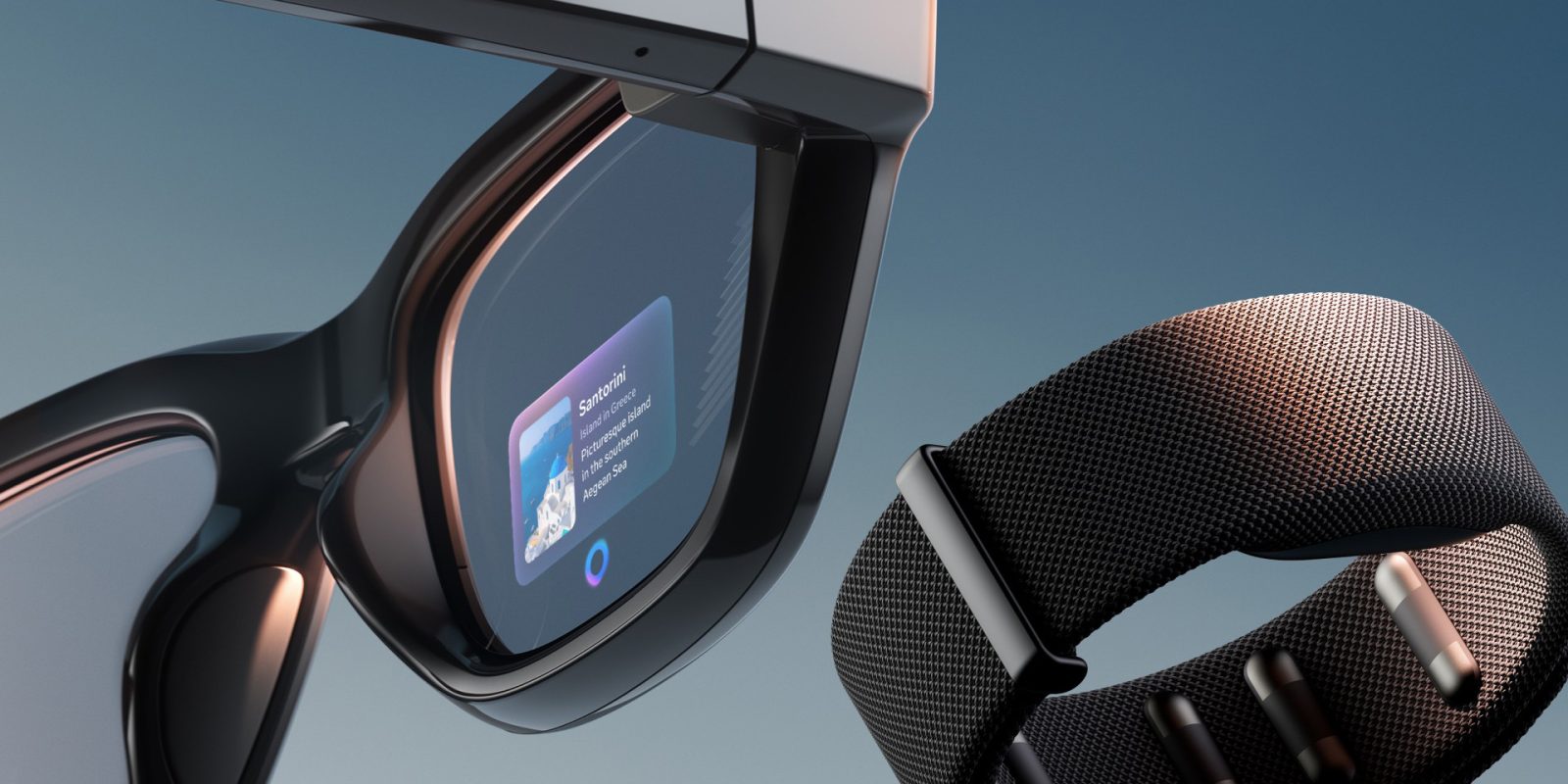
Meta Ray-Ban glasses may soon identify faces using AI
. Core components of the AI system—including models to detect, crop, and convert captured faces into biometric data—were discovered by researchers in software already pushed to millions of users’ smartphones. [1, 2]
- On-Device Matching: Unlike older cloud-based photo tagging systems, the newly discovered framework is designed to pull faceprints to the user’s phone. When a person is captured by the glasses’ camera, the AI models detect the face and attempt to match it with a biometric signature stored locally on your device. [1, 2]
- Real-Time Alerts: If the AI identifies a familiar person, the system can trigger a notification on the wearer’s device. [1, 2]
- Potential Applications: While Meta previously explored using the tech to help visually impaired users recognize friends, internal documents suggest the company is exploring integrations with public Instagram profiles and social media networks. [1, 2]
- Surveillance Concerns: Privacy advocates and digital rights organizations (including the ACLU and EFF) have pushed back, warning that real-time face recognition could effectively strip people of public anonymity and normalize constant, distributed surveillance. [1, 2]
- Meta’s Stance: In response to the reports, Meta stated that the discovered code represents early internal experimentation and that the feature has not been rolled out to consumers. The company has also emphasized that no final decisions have been made and that it is not building a centralized facial database. [1, 2]
- Details on the current AI and translation features already live on Meta glasses.
- A look at the privacy and capture indicators (like the LED light) currently required on the device. [1, 2]
Read more
. Meet Kameirah, this year’s Doodle for Google winner!
. A new profile to help publishers and creators highlight their work on Search
. Frontier Tuning: Teaching AI to work the way you do
. Xiaomi Smart Band 10 Pro | Design
. Unite8 Sports TV Channel Numbers are here | Watch FIFA World Cup 2026 Live and Exclusive | 11th June
. New iOS device management settings now generally available in Google Endpoint Management
. Google Workspace Updates Weekly Recap – June 5, 2026
. How Android helps keep you safe from impersonation scams with fake call detection
. OpenAI Investor Innovation Day
. Empowering Indian app innovators: Applications open for Google Play Accelerator India
for more refer Gemini website click here
for more refer Artificial Intelligence website click here