


Bringing AI to India’s digital health infrastructure
Bringing AI to India’s digital health infrastructure
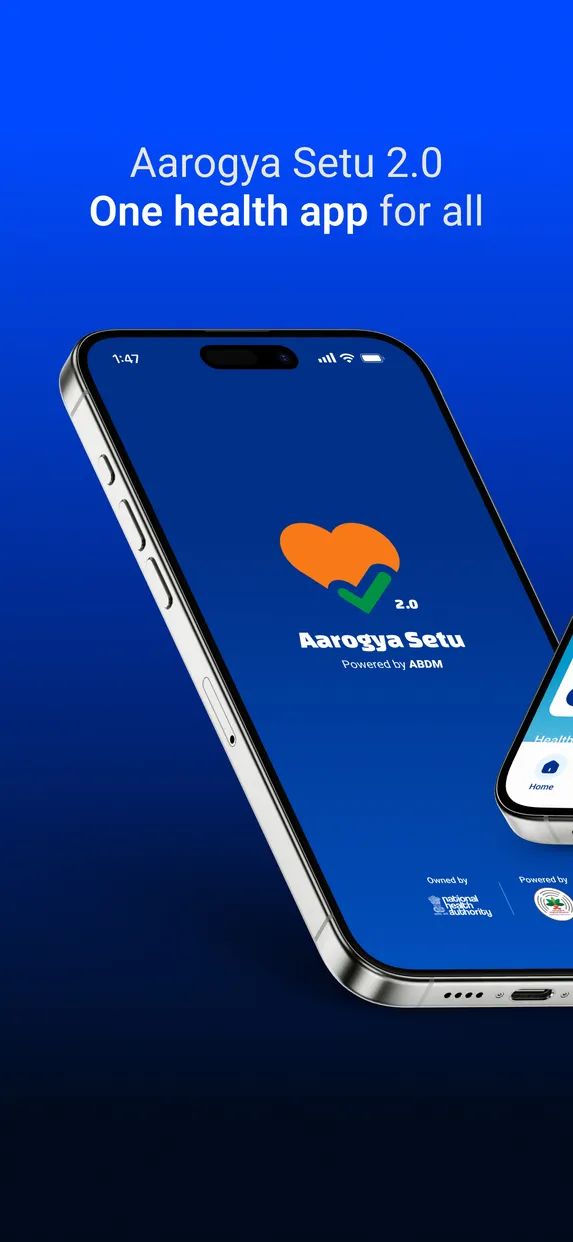
India’s National Health Authority (NHA) took a major step forward in strengthening the country’s digital public infrastructure today, launching the new Aarogya Setu 2.0 app. After playing an important role in India’s response to the global COVID-19 pandemic, the app has evolved into a unified platform that securely aggregates personal health records and government digital health services.
We’re thrilled that this new application has leveraged Gemma 4, our most capable open models yet, and open Medical Data Toolkit.
Making sense of medical records
The NHA has utilized the Medical Data Toolkit and Gemma 4 as part of the new app to help process health records, which are often complex and unstructured, preventing patients and doctors from easily accessing and understanding health information.
The combined strength of Google’s open Medical Data Toolkit and Gemma 4, built into the Aarogya Setu 2.0 app, helps address this challenge. The toolkit and Gemma 4 models intelligently identify the specific type of health record, and extract critical information – like lab test names, methods and results – from text and images. The Medical Data Toolkit then maps and structures the information into standard Fast Healthcare Interoperability Resources (FHIR) data, a universal format that supports different healthcare systems to seamlessly share health records digitally. Overall, this supports NHA’s efforts to enable smoother transitions of health information when patients move across hospitals and healthcare providers.
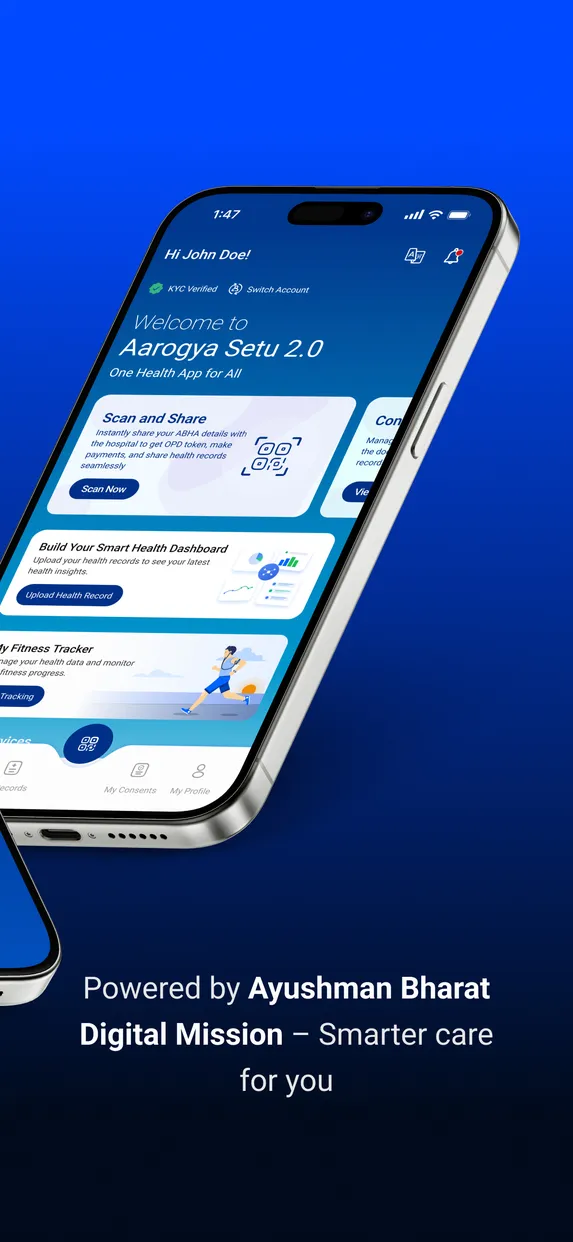
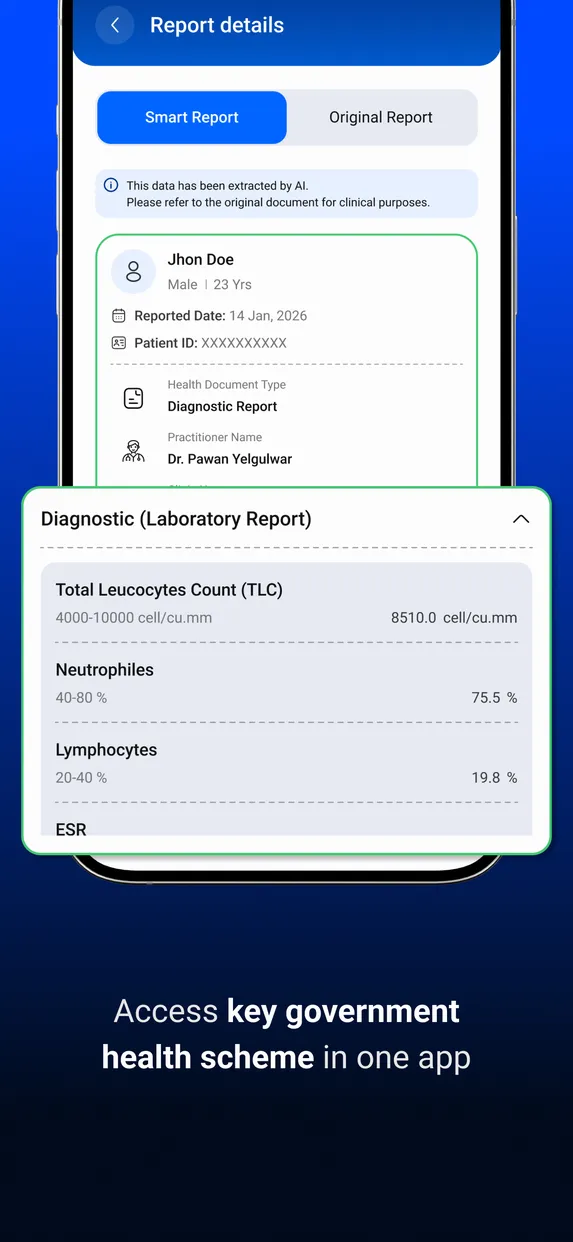
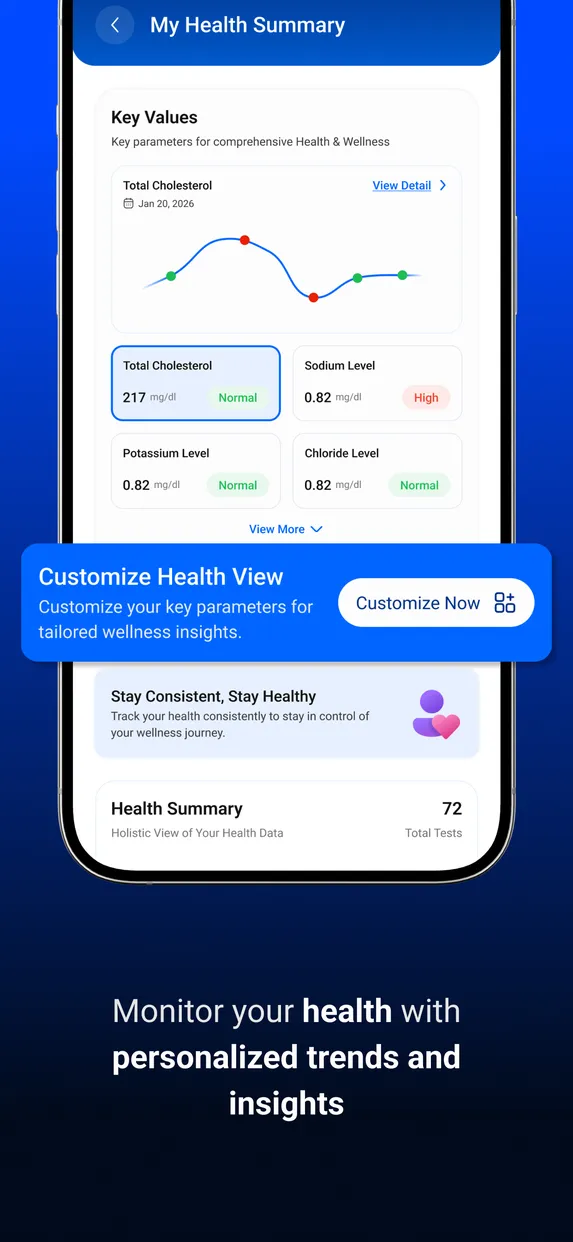
Reused with permission from National Health Authority
The Medical Data Toolkit uses a set of defined rules to structure the extracted information. All health records and health information are controlled by the user within the Aarogya Setu 2.0 app.
Open-sourcing AI for India’s health ecosystem
We want to bring the benefits of this technology to the broader digital health ecosystem. The Medical Data Toolkit is now open sourced to developers and health organizations at no cost. It can support development of health applications that require digitization and standardization of legacy health records, while supporting compliance with India’s interoperability standards under Ayushman Bharat Digital Mission (ABDM). The initial release of this toolkit is optimized for supporting some of the most common types of health records, such as laboratory reports and observations.
This release also builds on our previous measures to open source a wrapper that helped Indian developers integrate their health apps with the ABDM architecture.
We are proud to deepen our commitment to India’s inspiring AI ambition and the digital health developer community.

🛠️ Core Infrastructure & Policy
-
- Interoperable Data Pipelines: Millions of citizens have linked their 14-digit ABHA IDs with Electronic Health Records (EHRs). AI requires this unified data to create longitudinal patient profiles rather than narrow snapshots. [1, 2, 3]
- The Medical Data Toolkit: Rolled out for the Aarogya Setu 2.0 app, this open-source toolkit uses AI to extract patient information from legacy text and images, structuring it into universal FHIR formats. This ensures records easily transfer between hospitals while preserving user consent. [1, 2, 3, 4]
- IndiaAI & ICMR Partnership: The government has established formal frameworks to train foundational AI models strictly on Indian clinical data, ensuring medical relevance and diagnostic accuracy across diverse populations. [1, 2]
🏥 Ground-Level Applications
-
- Early Diagnostics & Screening: AI is heavily deployed for population-level screenings. For instance, AI-supported chest X-rays are widely used in the National TB Elimination Programme, enabling non-specialists to perform high-level screenings. [1, 2]
- Telemedicine & Triage: Platforms like e-Sanjeevani utilize AI-assisted differential diagnosis to assist rural health workers, extending specialist-level consultations to the remote interiors of India. [1, 2, 3, 4, 5]
- Disease Surveillance: The government leverages AI analytics to detect public health threats early, predict disease outbreaks, and streamline supply chains in government hospitals. [1]
⚖️ Governance & Ethical Framework
-
- Strict Privacy Laws: AI deployments are designed to be compliant with the Digital Personal Data Protection (DPDP) Act and ABDM protocols. [1]
- Global Collaboration: India is actively working with international platforms like the HealthAI Global Regulatory Network (GRN) to build safe and equitable AI health systems. [1]
If you want to dive deeper, tell me:
- Are you looking into AI model development or clinical application deployment?
- Are you focused on a specific region or specialty (e.g., radiology, pathology)?
- Would you like to know more about integrating with ABDM APIs?
- Bringing AI
Read more
. Run Gemma on Reachy Mini, an open source robot
. https://www.taxheal.com/do-more-while-staying-in-the-flow-june-26-pixel-drop.html
. Supporting students with connected AI tools for more personalized learning
. Google Play updates let U.K. developers do more and pay less
. ISTE 2026: Supporting teaching and learning with connected AI tools
. How a Kentucky school district is scaling writing feedback with Gemini
. Our latest Google Finance upgrades, including a new app
. Elevate your campaign performance with June’s Demand Gen Drop.
. Google.org is funding three long-term partners on education and AI
. Google: Meta Descriptions Not Required For SEO. But They’re Worthwhile.
. Microsoft Building reliable voice agents: A practical guide
. 100 new ways to make your day easier with Gemini for Home voice assistant
for more refer Gemini website click here
for more refer Artificial Intelligence website click here